Foundation Repair Contractors in Fort Worth
Foundation repair contractors in Fort Worth are worth calling when cracks are new or growing, doors and windows suddenly stick, floors slope, or gaps open around trim. Write down what changed, take dated photos, check for leaks, and avoid patching anything yet. Then call to be connected with a local provider for an inspection.
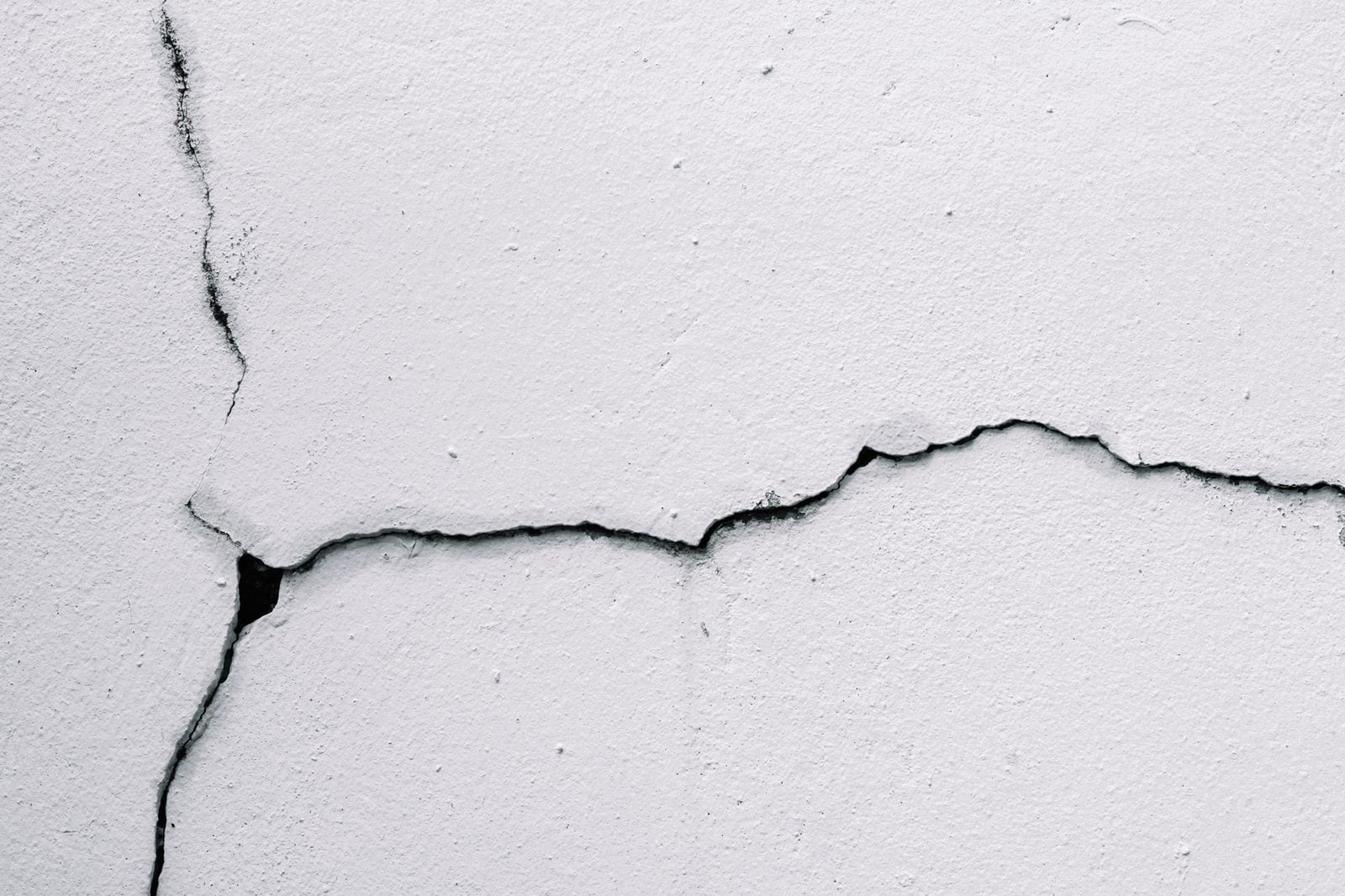
- Fast change matters more than size. A crack that grows over a few weeks deserves a call sooner than an old hairline crack.
- Check for leaks first. Water under or near the slab can make movement worse.
- Do not patch new cracks before an inspection. The crack shows how the house moved.
- Severe signs, such as a bowing wall or sagging ceiling, call for a structural engineer's review too.
- North Texas clay soil shrinks in heat and swells when wet, so signs can appear quickly after a dry summer or a hard freeze.
What to do first
- If a wall is bowing, a ceiling is sagging or you hear loud cracking, keep everyone out of that room until it has been looked at.
- Check for leaks. Turn off all taps and watch the water meter. If it moves, shut off the main water valve.
- Photograph each crack with a ruler or coin for scale, and note the date.
- Mark the ends of each crack lightly with a pencil so you can see if it grows.
- Do not force stuck doors or patch cracks.
- Call to be connected with a local provider for a foundation inspection.
When should I call foundation repair contractors in Fort Worth?
Call foundation repair contractors in Fort Worth when you notice new cracks that keep growing, doors or windows that suddenly stick, floors that slope or bounce, or gaps opening between walls, ceilings and trim. One sign alone may be minor. Several signs at once, or signs that change week to week, point to foundation movement worth inspecting.
An early inspection can show whether the cause is soil, drainage, a leak or normal settling. The foundation inspection page explains what a careful look covers.
Which foundation warning signs mean I should act quickly?
Act quickly in Fort Worth if a crack widens over days or weeks, a wall leans or bows, a ceiling sags, doors stop latching all at once, or you hear popping from walls or floors. These signs suggest active movement, and some call for a structural engineer as well as a contractor.
- Growing cracks: pencil marks at the ends of a crack show if it is spreading.
- Stair-step cracks in brick: zigzag cracks along mortar lines. See foundation crack repair for crack types.
- Sudden sticking: a door that worked last month and now drags or will not close.
- Separation: gaps between the wall and floor, around window frames or where brick meets trim.
- Water signs: wet carpet, a warm spot on the floor or a water bill that jumps without reason.
Could a plumbing leak be causing my foundation problem?
Yes, a leak under or near the slab can soften or wash out soil and make a Fort Worth foundation move. Before anyone lifts a slab, many providers want plumbing checked so they are not chasing the wrong cause. A leak found early is often a simpler problem than a foundation that has shifted for months.
Simple checks help. Turn off every tap and watch the water meter. If it still moves, water is going somewhere. Tell the contractor what you found when you call.
Need help now? Call to be connected with a local provider in Fort Worth who can check availability for your address.
Should I call a structural engineer or a contractor first?
For mild signs, most Fort Worth owners start with a foundation contractor inspection. For severe signs, such as a bowing wall, a sagging ceiling, cracks that grow fast, or a home sale in progress, a structural engineer's review is a smart first step. An engineer reports on what moved and why, and does not sell the repair.
How does drainage around my house affect foundation movement?
Poor drainage is one of the most common reasons a Fort Worth foundation moves. Water that pools by the slab soaks the clay on one side, while the other side stays dry, so the house moves unevenly. Gutters, downspouts and grading that send water away from the house help keep soil moisture more even.
Look at your house during a rain. Do downspouts dump water right at the slab? Does water sit in a low spot by a wall? The drainage and root barriers page explains common fixes.
What repair options do foundation contractors usually suggest?
Foundation contractors in Fort Worth usually suggest options based on the house type and the cause: piers under a slab, re-shimming or added supports under a pier and beam house, drainage correction, root barriers, or a mix. Some homes need only drainage work and monitoring. The right option depends on what the inspection finds.
What happens during the visit?
During a foundation visit in Fort Worth, a local provider inspects the house, explains what they see, walks you through repair options and gives you a written quote before any work begins. You decide what to do and when.
- Inspection: they look at cracks, doors and windows inside, then the slab edge or crawl space, gutters, grading and nearby trees outside. Many take floor level readings.
- Explanation: they show which areas moved, roughly how much, and the likely cause.
- Options: they lay out choices and what each one is meant to fix.
- Written quote: the full scope is written down before anything starts, so you can review it at home.
The how it works page explains how your call is connected to a provider.
Why do Fort Worth foundations show signs so suddenly?
Fort Worth soil and weather can bring on foundation signs in a hurry. The highly expansive Houston Black clay of the Blackland Prairie shrinks and swells markedly with changes in moisture. Most of Fort Worth lies west of the Blackland Prairie, but the USDA lists Houston Black soil in the eastern part of the Grand Prairie, so soil varies across the area.
Heat dries that soil out. DFW recorded 71 days of 100 degrees or more in 2011, and the average last 100 degree day is August 27. Then cold arrives: the average first freeze at DFW Airport is November 22. During the February 2021 freeze, DFW stayed below freezing for 139 hours in a row, and insurers reported 36,357 claims in Tarrant County from that storm.
Most newer homes here sit on slabs. NAHB reports that 97.9% of new single-family homes in the West South Central region, which includes Texas, were built on slab foundations in 2024. The Texas Department of Insurance lists damage to foundations or slabs as an optional endorsement, so check your own policy for one. Owners in Fort Worth, Keller, Burleson, Haltom City and Weatherford can call to be connected with a local provider.
Related pages
Questions people ask
How do I know if I need foundation repair contractors or just a handyman?
If cracks are growing, doors suddenly stick or floors slope in your Fort Worth home, call foundation repair contractors for an inspection. Patching first can hide how the house moved.
Is a crack in my wall that keeps getting bigger an emergency?
A crack that keeps growing is a sign to call soon in Fort Worth, even if it is not dangerous yet. Mark the ends with a pencil, photograph it with a ruler and call to be connected with a local provider.
My doors suddenly won't close. Is that my foundation?
It can be. When several doors in a Fort Worth house start sticking at once, foundation movement is a common reason, though humidity and loose hinges can also cause it.
Is it safe to stay in my house if the foundation is moving?
Most Fort Worth homes with foundation movement stay livable, but only an inspection can speak to your house. If a wall bows or a ceiling sags, keep people out of that room and get a structural engineer's opinion.
What should I do first when I find a new foundation crack?
Photograph the crack with a ruler for scale, write down the date and mark its ends with a pencil. Then check your Fort Worth home for leaks and call to be connected with a local provider.
Can a sloping floor be fixed without lifting the whole house?
Often yes. In Fort Worth, a pier and beam house may only need supports adjusted under one area, and a slab may need piers only where it dropped.
Why did cracks show up in my Fort Worth house after a hot summer?
Long heat dries out the clay soil around Fort Worth foundations, and dry clay shrinks. If one side loses more support, cracks and sticking doors can appear by fall.
Can a hard freeze cause foundation problems in Fort Worth?
It can, mostly by bursting pipes that leak near or under the slab. After a Fort Worth freeze, check for wet spots and a moving water meter.
Should I fill foundation cracks with caulk before the contractor comes?
No. Leave cracks as they are until a Fort Worth contractor or engineer has seen them. The width, shape and direction of a crack help show how the foundation moved.
What do foundation repair contractors look at during an inspection?
Foundation repair contractors in Fort Worth look at cracks, doors and windows, floor levels, the slab edge or crawl space, gutters, grading and nearby trees. Then they explain the likely cause and give a written quote.
How can I tell if water under my slab is the real problem?
Turn off every faucet and appliance in your Fort Worth home and watch the water meter. If it keeps moving, you may have a leak, and a plumber should check it before any foundation lifting.
Will homeowners insurance pay for emergency foundation repair in Texas?
It depends on your policy. The Texas Department of Insurance lists foundation or slab damage as an optional endorsement, so check your Fort Worth policy for one and document everything with photos and dates.
Do pier and beam houses in Fort Worth show different warning signs than slab houses?
Yes, somewhat. Pier and beam houses in Fort Worth often show soft or bouncy floors, while slab houses more often show cracks in brick, drywall and tile.
How long can I wait before calling about foundation problems?
If the signs are changing, do not wait. In Fort Worth, a crack that grows month to month is a reason to call now, not next season.
Who do I call about foundation warning signs in Fort Worth or Keller?
Call the number on this page to be connected with a local provider who serves Fort Worth, Keller and nearby cities. Have your photos and notes ready when you call.
Talk to someone about your foundation problem
Call to be connected with a local provider who can check availability for your address and explain the next step.