Slab Foundation Repair
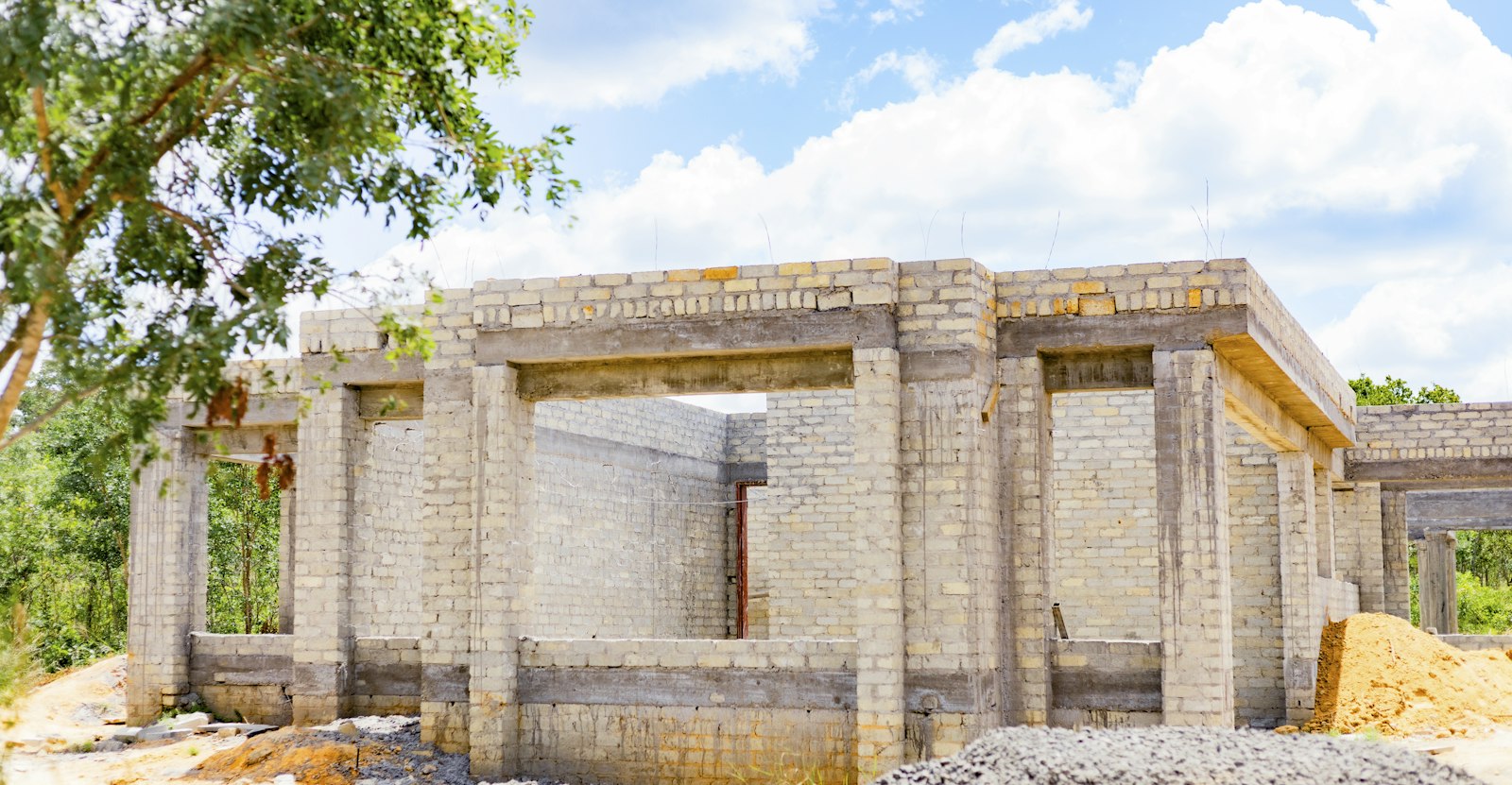
Settlement under a slab shows up in the doors and the brick long before the concrete says anything.
Slab Foundation RepairMost of Keller went up between the mid-1990s and the 2010s: big two-story brick homes on generous lots, planted with post oaks and live oaks that are now thirty years mature. Those trees, that clay and a run of dry Augusts are behind most of the foundation movement in this area.
Settlement under a slab shows up in the doors and the brick long before the concrete says anything.
Slab Foundation Repair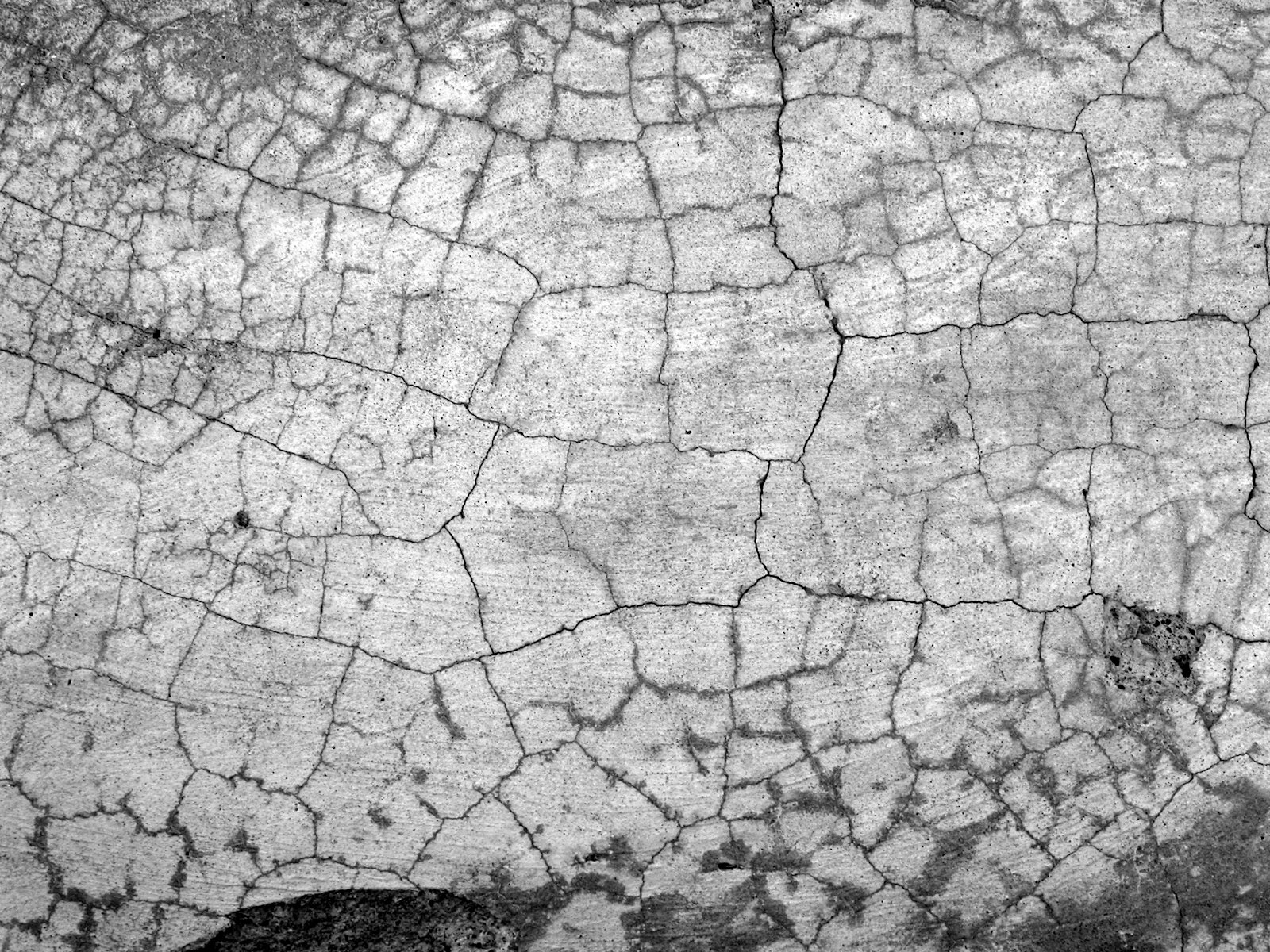
Even soil moisture is what keeps a house still. Grading, roof water and tree roots are where that is won or lost.
Drainage and Root Barriers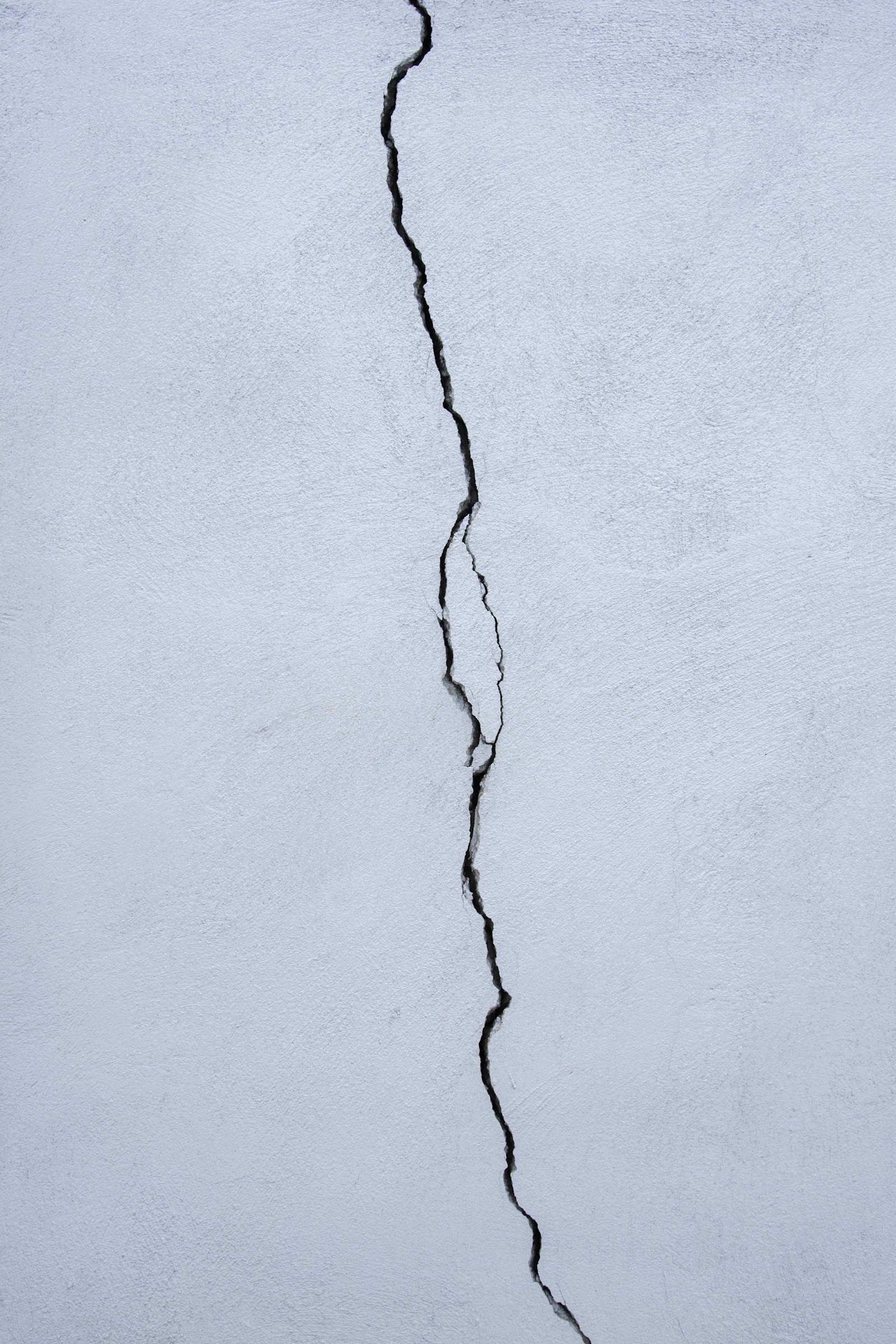
Elevation readings across the floor, written down and dated, so you know what is actually happening.
Foundation InspectionA Keller lot is often large enough that the trees matter as much as the soil. A live oak within a tree height of the wall will pull moisture out from under the footing through a dry summer, and it will do it from one side of the house only. That is the classic Keller pattern: the shaded, treed side of the slab drops while the open side stays put.
The other thing worth mentioning when you call is irrigation. Big lots here almost all have sprinkler systems, and a zone that has been soaking one bed against the house for years produces the mirror image of the same problem. Mention which zones run where, and whether any heads or valves have been leaking.
Note the large trees within about their own height of the house, and which side of the slab they are on. It is usually the first thing the survey confirms.
Say which zones water beds next to the foundation and roughly how long they run. Overwatering one side is as damaging as letting the other side bake.
Doors that began sticking after a specific dry spell tell a different story from cracks that have been there since the house was built.
Two-story brick homes are heavier and less forgiving than single-story ones, so the target on a lift here is usually stability and working doors rather than a flat floor. Where supports are recommended, depth is the question that matters on this soil, which is exactly where pressed concrete and steel piers differ.
Very often the first recommendation in Keller is not structural at all: a root barrier and a watering routine can settle a house that is only reacting to one thirsty tree. Start with the elevation survey, and see neighboring coverage on our Southlake page.
It comes down to how many supports the house needs and how hard they are to reach, which is why a number before a survey is meaningless. A large two-story home with settlement along one treed side is a bigger job than a single low corner. Ask the independent provider to price it in writing after taking elevation readings, and whether drainage work alone may be the honest answer.
Fort Worth Foundation Repair Pros connects Keller and nearby north Tarrant callers with independent providers for slab repair, underpinning, drainage correction and root barriers. Mention the property ZIP code and the approximate age of the house when you call. The services page lists the work involved.
Inspections are booked by appointment, and availability depends on the provider and the property location. Call to check current availability. Foundation movement is slow by nature, so a few days rarely changes anything, unless you also have water appearing where it should not be.
No. Lifting part of a loaded house on a jack can snap water and drain lines running through the slab, crack brick veneer and drop the structure onto whoever is underneath it. It is one of the few genuinely dangerous DIY jobs in this trade. Leave the lifting to a crew with the house properly supported.
The readings decide. If the house has only moved seasonally and there is an obvious cause outside, correcting grading, roof water and watering habits often settles it for a fraction of the cost. If a corner has genuinely dropped, water correction alone will not bring it back. Ask the provider which one you have rather than accepting a default of piers.
A mature oak can draw a remarkable amount of water out of clay in a dry Texas summer, and on this soil that shows up as the treed side of the slab dropping. You rarely have to remove the tree. A vertical root barrier between it and the house usually addresses the moisture while the tree stays. See root barriers for how that is done.
When you call, mention which doors changed and where the big trees are.