Each crack measured and mapped
Width, length, direction and any difference in height across the two faces are recorded, along with where the crack sits in relation to doors, windows and the slab edge.
Most cracks in a house are the result of something the ground did, not something the concrete did. An independent provider can work out which cracks are only cosmetic, which ones are letting water through, and which ones are the visible end of movement that has to be supported before anything is filled.
A crack on its own is evidence, not a diagnosis. The useful questions are how wide it is, which direction it runs, whether the two sides are level with each other, and whether it has changed since you last looked. Photograph it next to a coin and write the date on the photo. That one habit answers more than any amount of guessing.
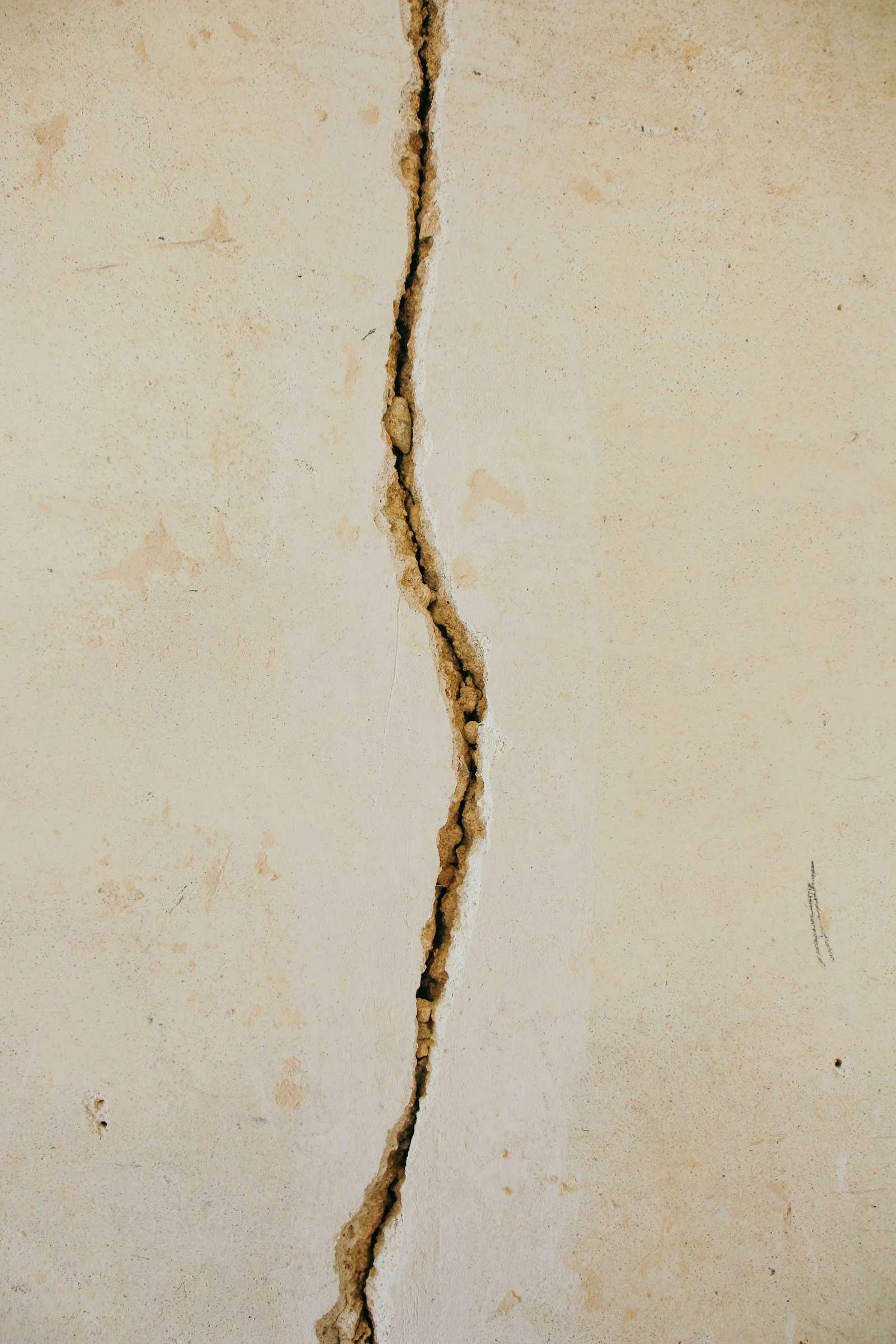
Filling a crack is the last step, never the first. Everything below is about understanding the crack before deciding whether it needs sealing, supporting or simply watching.
Width, length, direction and any difference in height across the two faces are recorded, along with where the crack sits in relation to doors, windows and the slab edge.
Floor heights are taken room to room so the cracking can be compared against the shape of the house. Cracks concentrated on the low side mean something different from cracks scattered everywhere.
Where a concrete wall or slab has cracked and the two sides need to act as one piece again, the crack is injected under pressure and bonded from the back face to the front.
A flexible resin expands in the crack and seals it against water. It is used where the priority is keeping moisture out rather than restoring strength.
Stepped cracking in masonry is raked out and repointed once the movement behind it has been dealt with, so the patch is not just pulled open again next summer.
When the readings say the house is stable and the crack is cosmetic, a good provider says so, marks it and gives you a date to compare against rather than selling an injection you do not need.
The decision comes down to whether the crack is still moving. A stable crack in an old house can be filled, painted and forgotten. A crack that is opening because one part of the structure is dropping will come back through any filler you put in it, which is why sealing it first is money spent twice.
If the survey shows real differential movement, the work is structural: supports driven down to firmer ground under the part that has dropped, and in some cases a staged lift to close the gap before anything is sealed. Our guide to pressed concrete versus steel piers explains how those supports differ. Where nothing structural is needed, the cheapest useful work is usually outside, with grading, gutters and root barriers so the soil around the house stops swinging between soaked and bone dry.
Start with a foundation inspection, read which cracks matter, see how cracking behaves on slab houses, or call about a visit.
Sometimes, yes. If the elevation readings show the house is sitting level and the crack has not changed in a year, sealing it is a fair repair and it will hold. If one side of the house is low and getting lower, filler is temporary by definition. Ask the provider to measure first so you are told which situation you are in rather than sold the same product either way.
Epoxy sets hard and bonds the concrete back together, so it is used where the crack needs to carry load again. Polyurethane stays flexible and expands, so it is used to stop water getting through a crack that may still move slightly. Neither one fixes soil movement. If the ground under the house is the problem, the fix is underpinning, not resin.
Fine cracks in a fresh slab, in drywall joints and at the corners of openings are common in the first couple of years as concrete cures and the frame settles. Watch the width and the direction rather than the number of them. Anything that keeps widening through a second summer, or that goes with a door suddenly sticking, is worth measuring. Many builders also have a warranty period, so check yours before you pay anyone.
Patching visible cracks without knowing the cause is what makes buyers suspicious, because their inspector will find the fresh filler and ask. A dated elevation survey you can hand over is worth more than cosmetic work, and it lets you price the house honestly. If repair is genuinely needed, get it quoted in writing so a buyer can see the scope.
Mention where the cracks are and whether they have changed since last year.