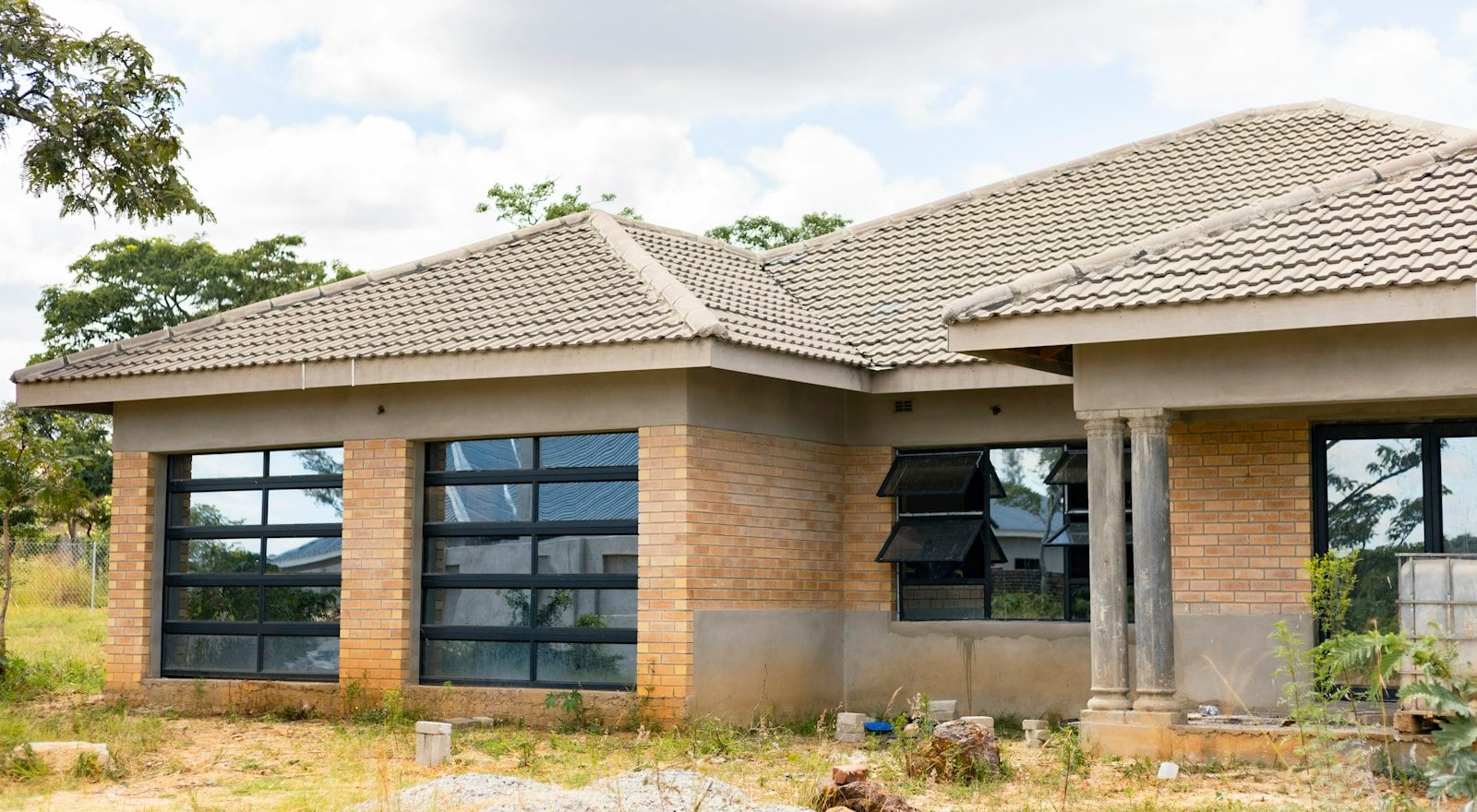
Slab Foundation Repair
When a slab settles, the doors and the brickwork usually show it long before the concrete does.
Slab Foundation RepairDoors that stick, cracks running up from the window corners and floors that slope are almost always the ground moving, not the house giving up. Fort Worth Foundation Repair Pros connects you with independent foundation repair providers who can measure what the foundation is doing and put repair options in writing. Availability varies by provider.
When a slab settles, the doors and the brickwork usually show it long before the concrete does.
Slab Foundation Repair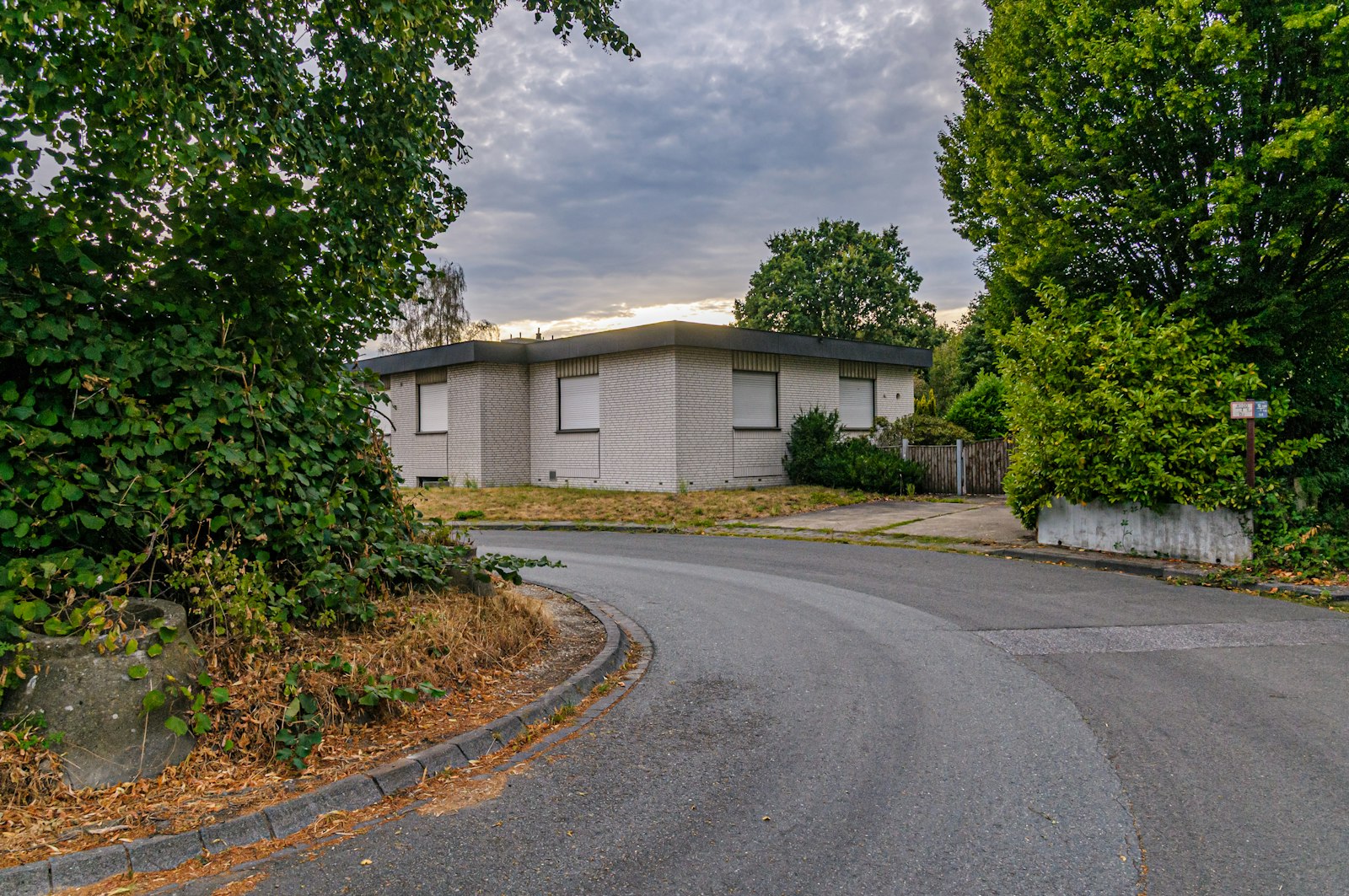
Bouncy hallways and sloping floors in an older house usually start with the piers and beams underneath.
Pier and Beam Repair
Bringing a house back toward level is a measured lift, not one jack under the worst corner.
Foundation Leveling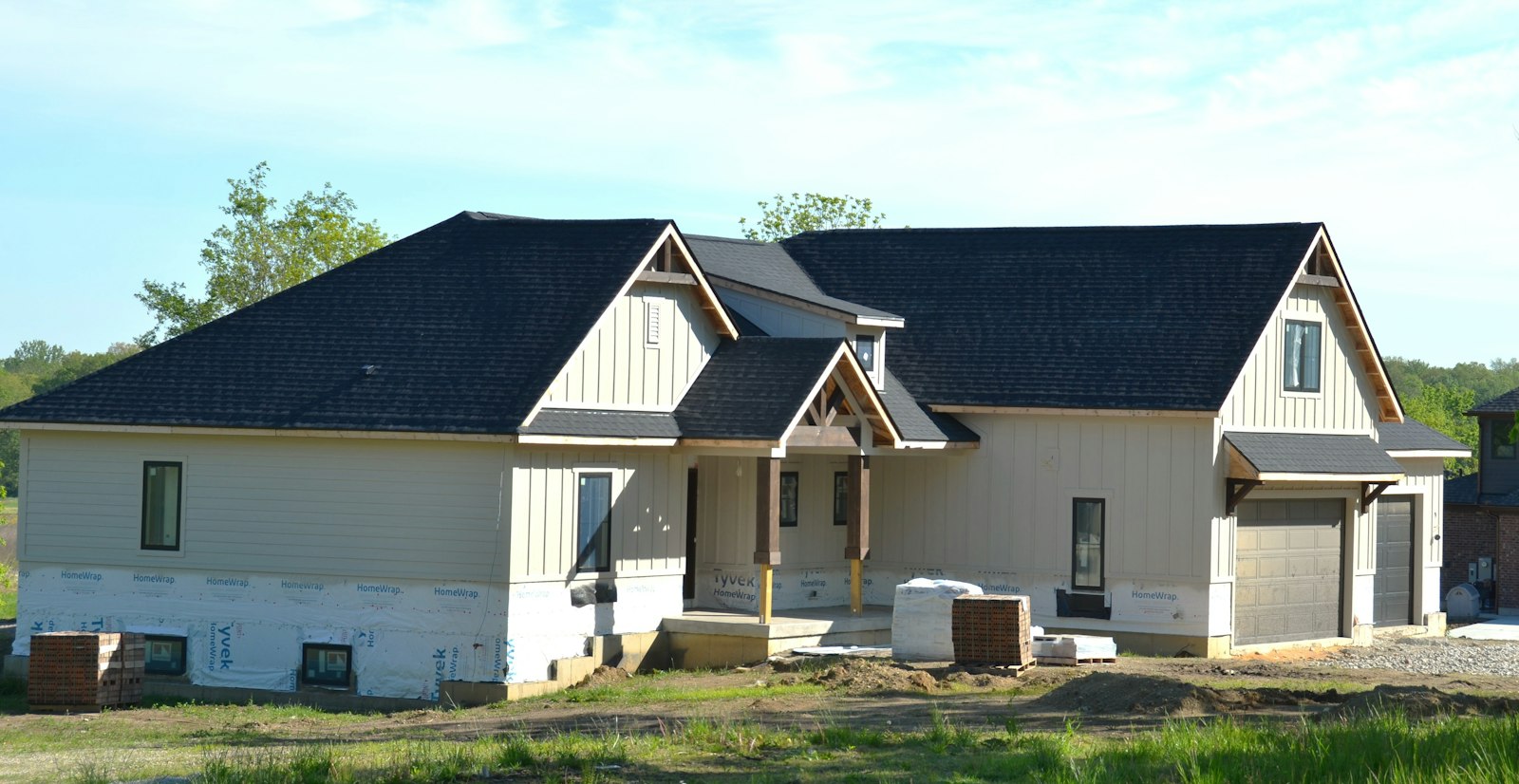
Piers carry the weight of the house down to soil that does not swell and shrink with the weather.
Foundation Piers
Water and tree roots are what move the clay. A repair that ignores them often has to be revisited.
Drainage and Root Barriers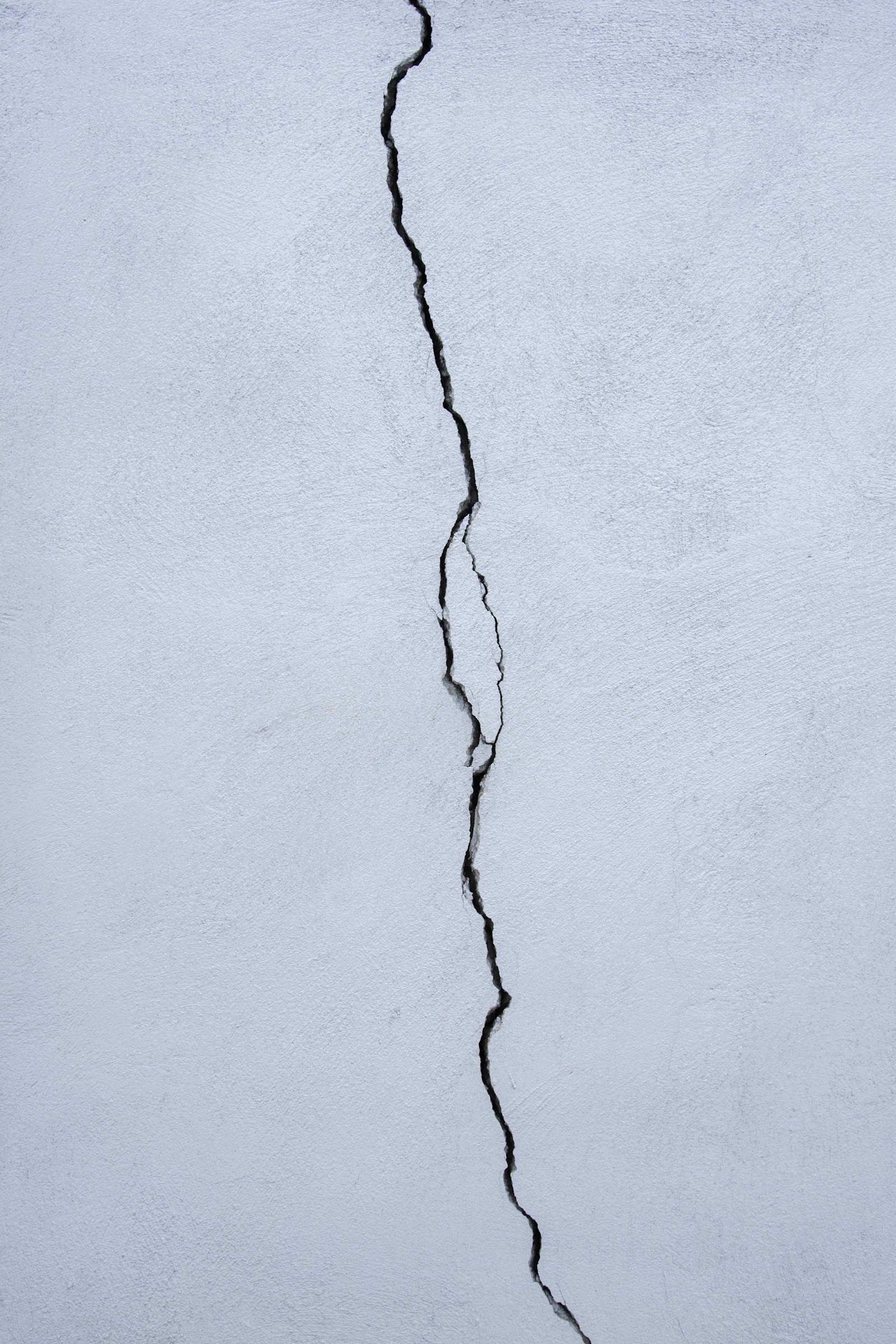
An elevation survey shows how far off level the house actually is, and in which direction.
Foundation Inspection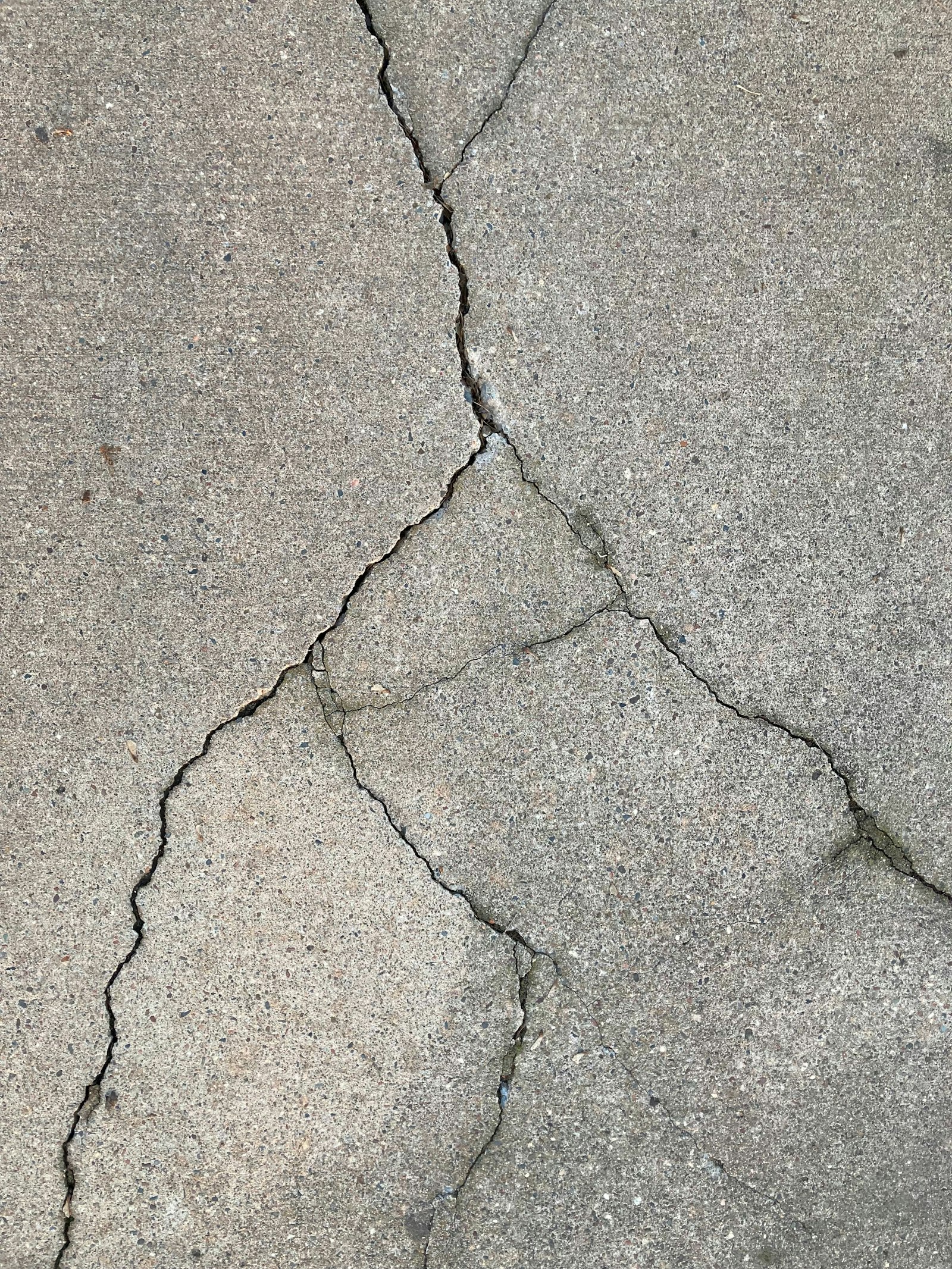
Office, retail and warehouse slabs move too, usually while the building has to stay open.
Commercial Foundation Repair
Cracks get measured before they get filled, because filler does not hold a wall that is still moving.
Foundation Crack Repair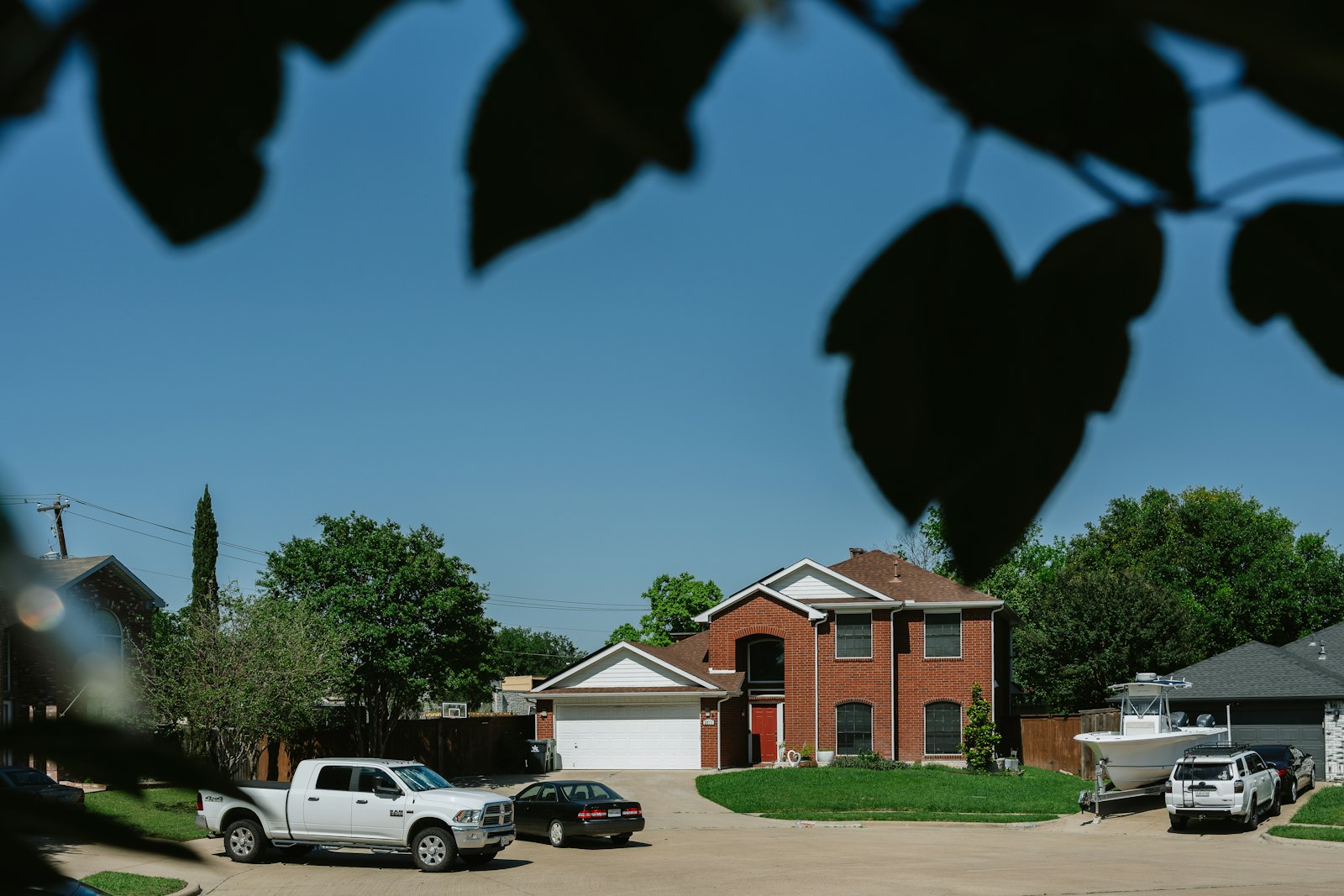
Sagging joists, sunken piers and damp ground under an older house, sorted out from underneath.
Crawl Space RepairA good visit starts with elevation readings taken room to room, so the conversation is about how far off level the house is and where, rather than a guess from one crack in the hallway.
Drainage, tree roots and a leaking line under the slab all move soil in different ways. Ask the provider why the house moved before discussing how to lift it.
Ask the provider for the scope, the method, the number of supports and any warranty terms on paper before work is scheduled. Do not start on a handshake.
East and south of the city the ground is heavy Blackland and Eagle Ford clay: it swells after a wet spring and pulls back from the footing through a dry August. West toward the Cross Timbers it turns sandy and behaves differently again. Put a slab-on-grade house on the first kind of soil, add a couple of thirsty post oaks and a downspout that drains against the wall, and you have most of the movement in this area.
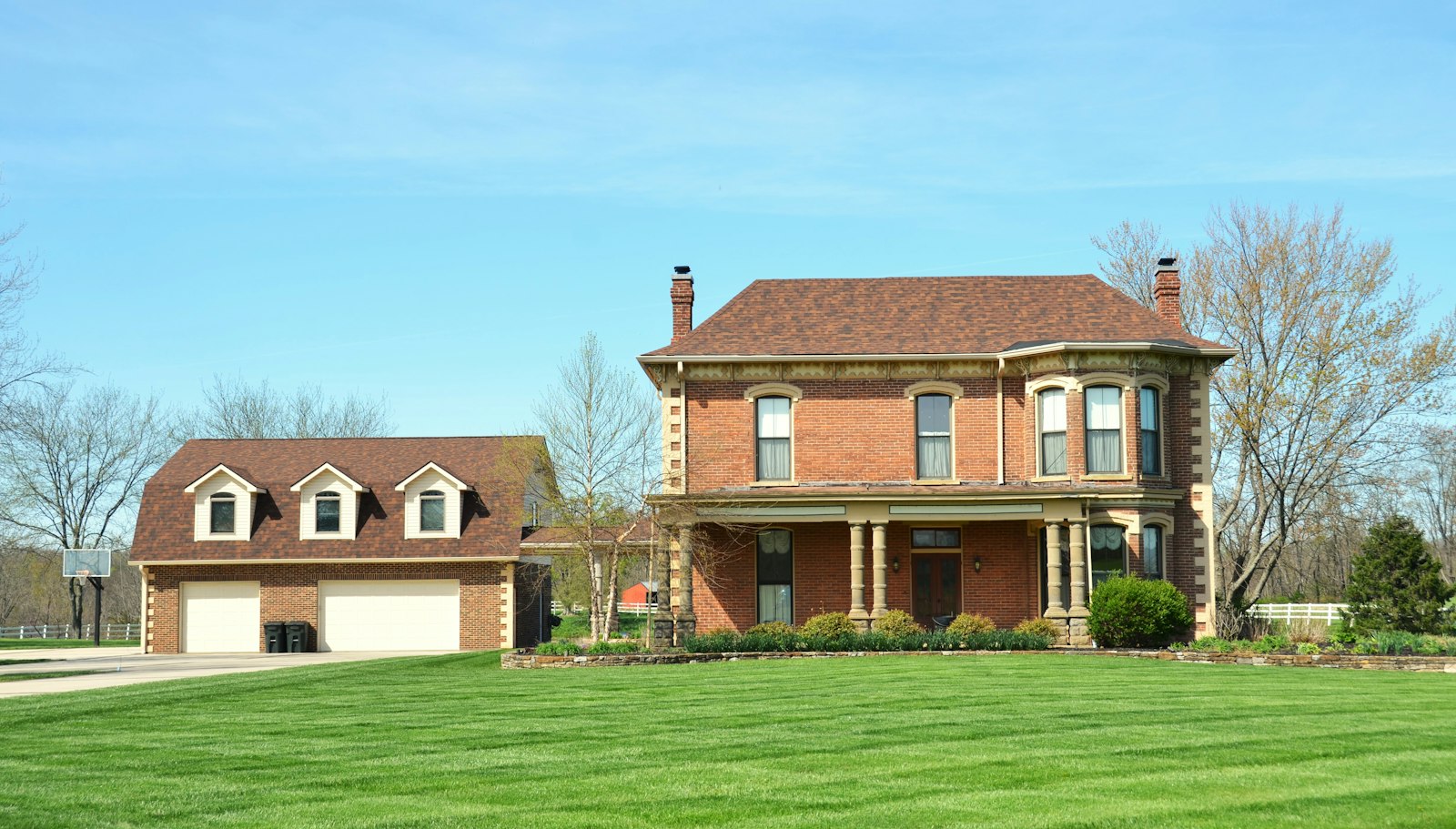
A back door that scrapes in August and closes fine in March is following the soil, not the weather in the house. Note which doors changed and when, then have the elevations measured before anything is planed or adjusted.
Warning signs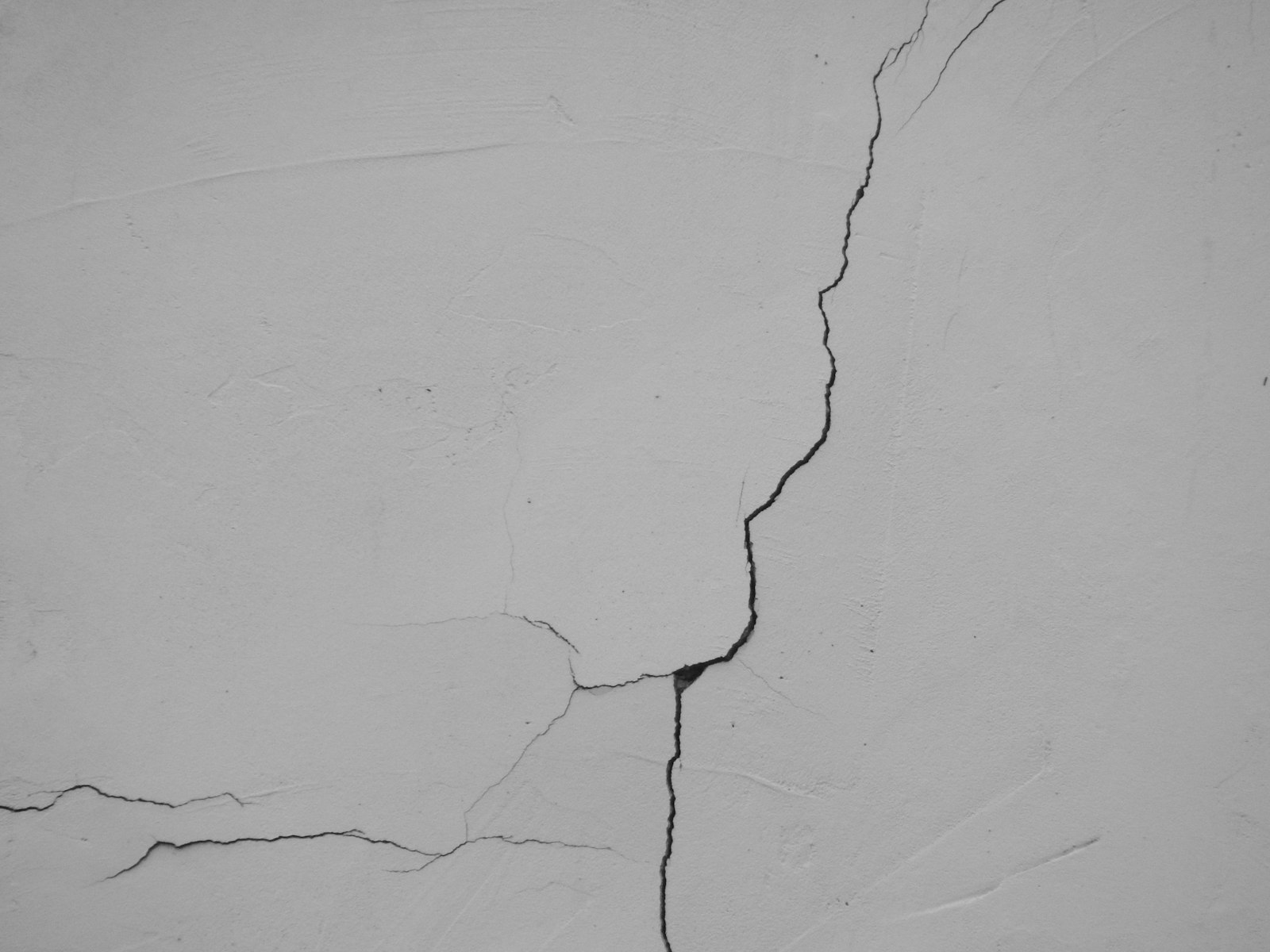
Corners of openings are where movement shows up first. Width, direction and whether the crack has been patched before all matter more than length.
Which cracks matter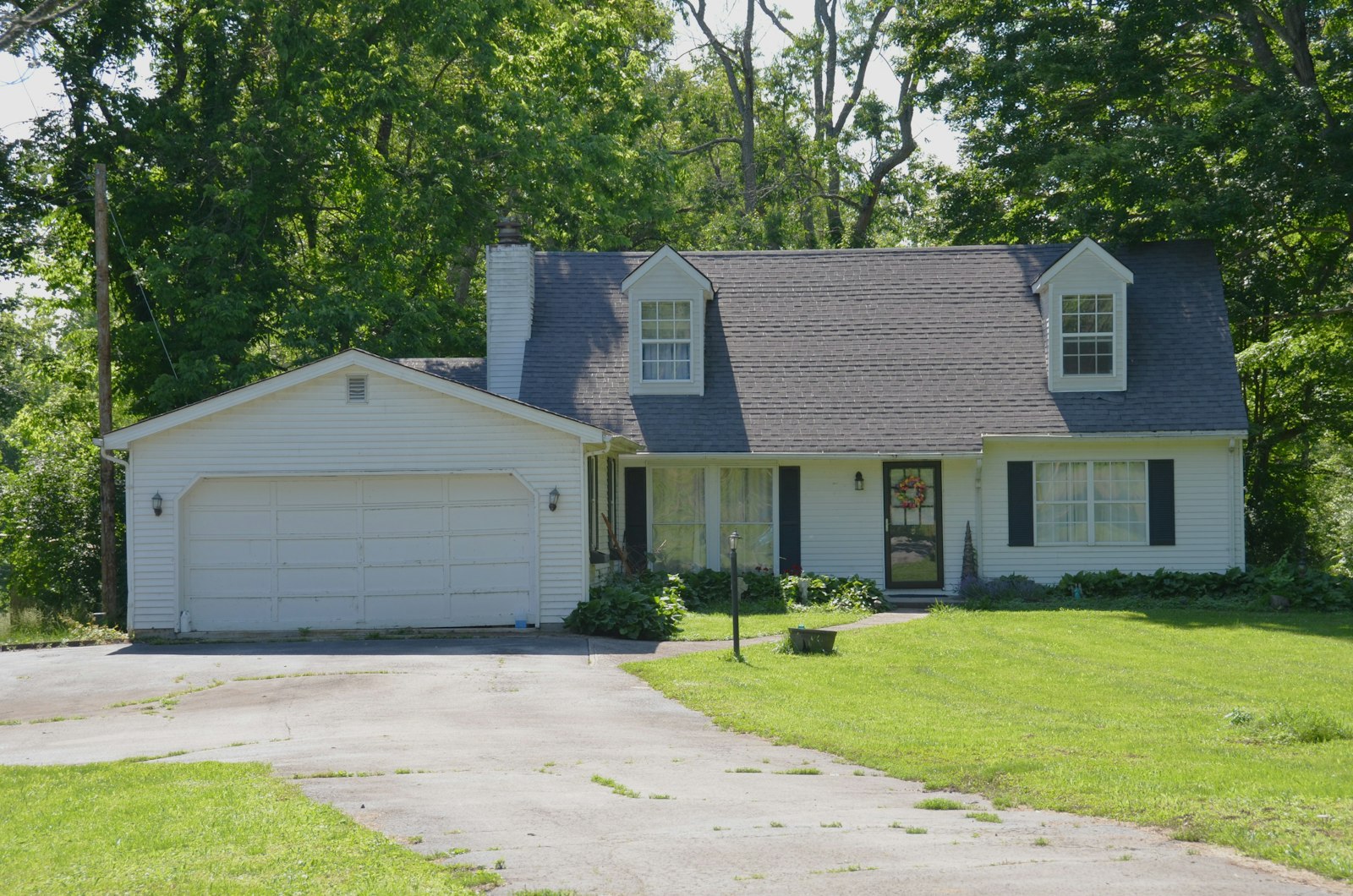
A marble that rolls the same way in every room, or a hallway that gives underfoot, points at the structure rather than the flooring. Both are measurable.
Foundation leveling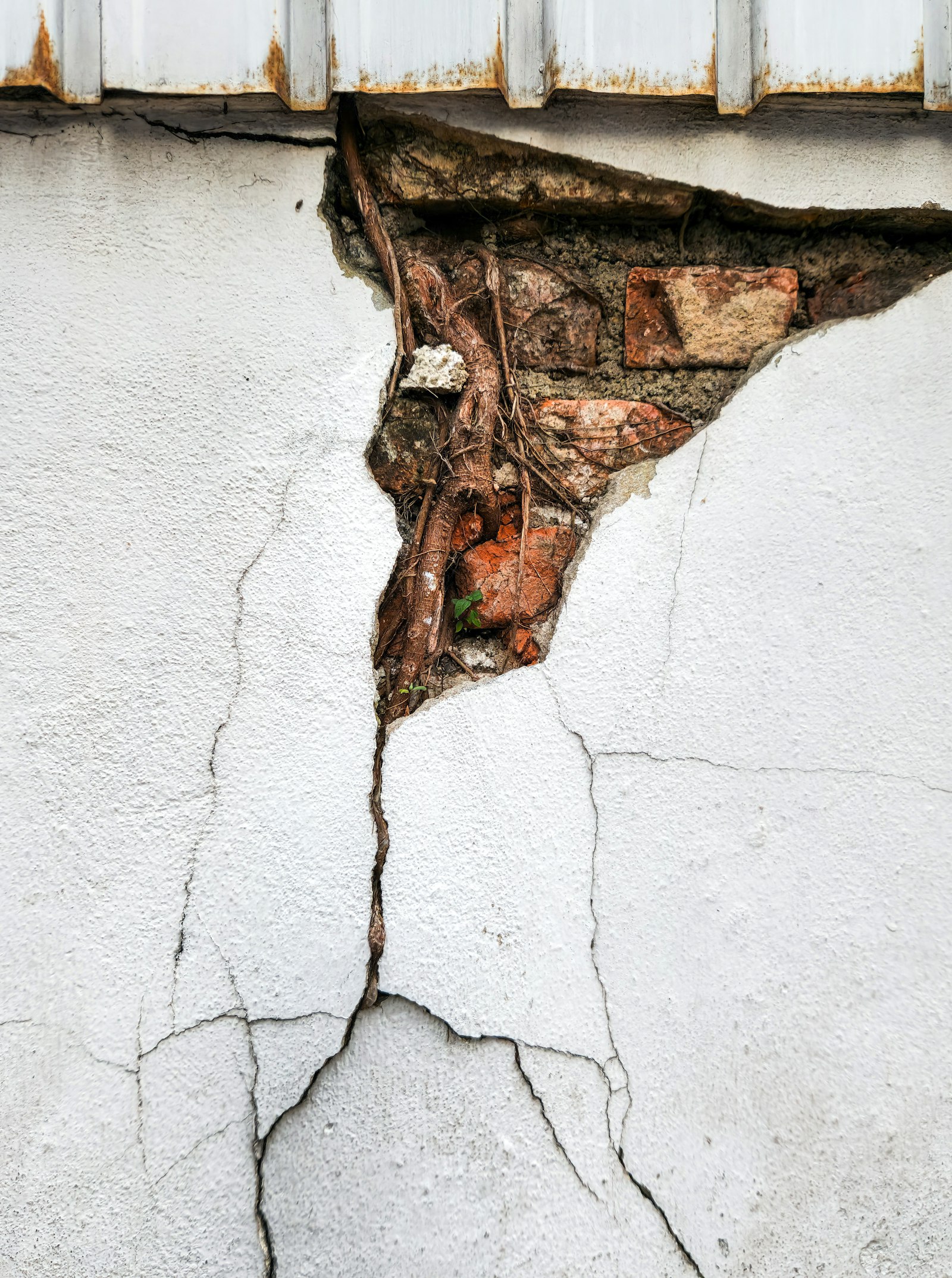
Separation where the brick meets a window frame, or a chimney pulling away from the wall, is a sign one part of the house is sitting lower than the rest.
Ask about inspectionsSoil that stays soaked on one side and bakes dry on the other almost always causes uneven movement. Grading, gutters and downspout runs are usually where that gets fixed.
Drainage and root barriers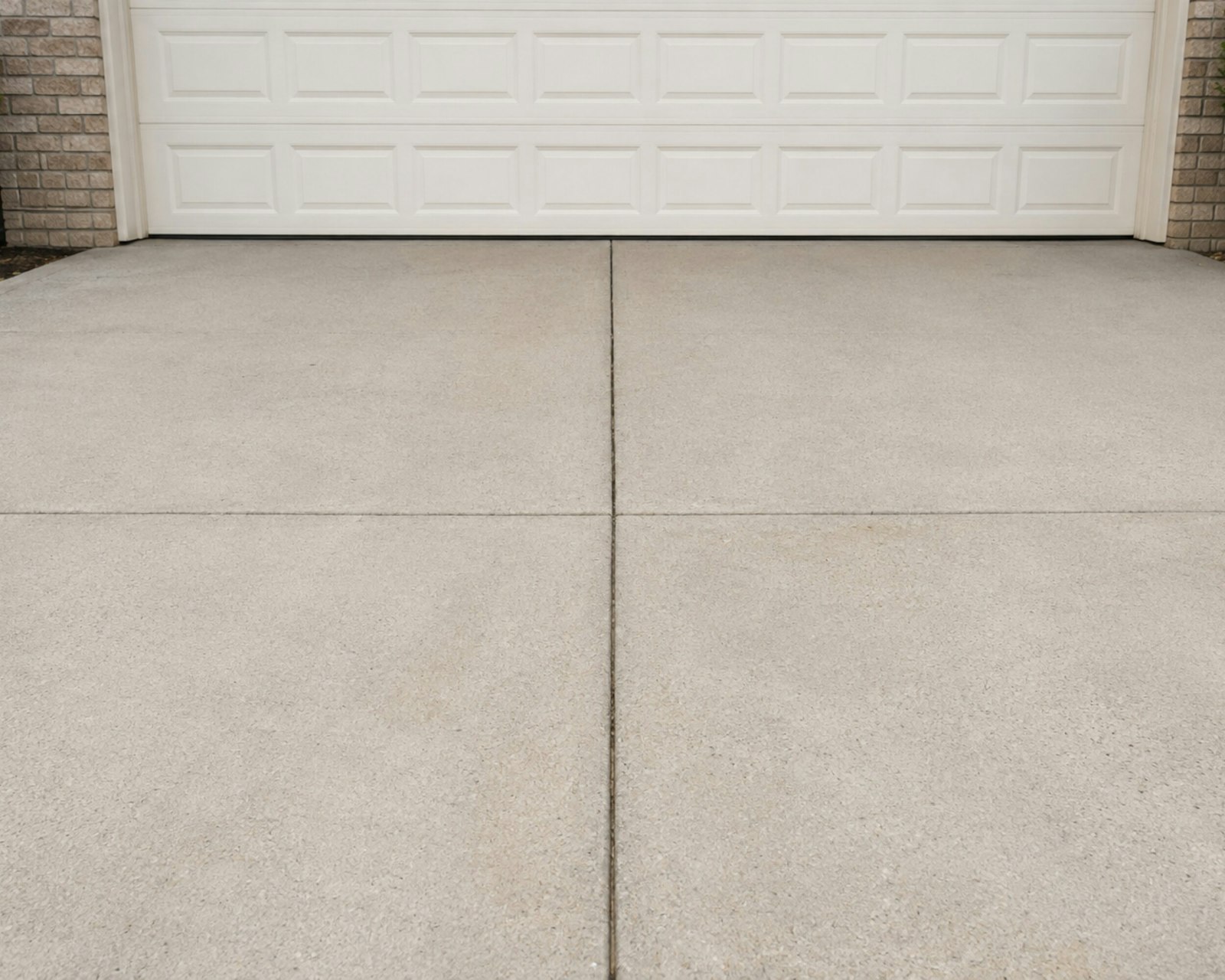
Not every crack is urgent, and not every quote needs signing this week. What matters is whether the movement is still going and what it is doing to the plumbing.
Now or laterWhich doors stick, where the cracks are and whether anything moved after the last long dry spell. That is usually enough to plan the right kind of visit.
Readings are taken across the floor to map the high and low areas, along with a look at the drainage, the trees and the outside of the slab or the crawl space.
Ask the provider to explain what was measured, what is causing it, the repair choices and the price before you approve work.
Supports go in, the lift is taken in stages with the measurements checked as it goes, and you are told what to expect from doors, trim and cosmetic cracks afterwards.
Large two-story brick homes built from the 1990s onward sit on clay that shrinks hard in a dry August, and the mature post oaks planted at build are now drawing from under the slab.
View Keller serviceBig custom footprints mean more slab to move at once. Heavy irrigation on one side of the house and a dry side in shade is a common pattern here.
View Southlake serviceMid-cities slabs from the 1960s through the 1990s have been through several drought cycles, and the original cast-iron drain lines under them are the same age.
View North Richland Hills service
Newer subdivisions on heavy southeast Tarrant clay, many with post-tension slabs, where drainage across a flat back yard decides how the soil behaves.
View Mansfield serviceGrowth along I-35W has put thousands of slabs on ground that used to be pasture, next to an older downtown where pier-and-beam houses are still common.
View Burleson serviceWest into Parker County the soil turns sandier, acreage lots drain differently and there are still original homes on pier-and-beam near the square.
View Weatherford serviceRanch houses from the 1960s through the 1980s on sloping ground near the lake, where the water runs during a storm often explains the cracking.
View Benbrook servicePost-war streets near the center and 1990s to 2000s subdivisions south of I-20, all on the same shrink-swell clay.
View Arlington serviceA 1950s to 1970s suburb northeast of downtown, with low ground near Big Fossil Creek and drain lines as old as the slabs.
View Haltom City serviceThere is no square-foot price. Cost follows the number of supports the house needs, where they go and how deep they have to be driven, which only an elevation survey can establish. Mild seasonal movement often needs drainage work rather than structural repair, which costs far less. See what an inspection covers.
Usually a door that stops closing, then diagonal cracks from window and door corners, stair-step cracking in the brick, gaps at trim and floors that slope. One symptom on its own means little; two or three on the same side of the house is a pattern worth measuring. Read the full list of warning signs.
Neither is automatically better. Pressed concrete pilings suit most typical homes with straightforward settlement and cost less per support, so more of them can be placed. Steel goes deeper, which matters on heavy structures, deep fill or where a previous repair has already failed. Compare the two methods in detail.
Look for one that measures before it quotes, gives you the elevation readings and a placement plan in writing, and is willing to say when no structural work is needed. Fort Worth Foundation Repair Pros connects callers in Fort Worth and nearby Tarrant and Parker County towns with independent providers. See the areas covered.
No. Plenty of cracking is shrinkage, normal seasonal movement or cosmetic settling that stopped years ago. Cracks tell you where to look; elevation readings tell you what to do. Width, direction and whether the crack is new are what separate the two. See which cracks matter.
On expansive clay, yes, steadily rather than heavily. A soaker hose set back a foot or so from the slab edge, run around the whole perimeter for short periods during dry spells, keeps the soil from shrinking away. Flooding the beds occasionally does more harm than good. Read the watering guide.
Not always, but consider it when a lot is riding on the answer: buying or selling, a large or unusual house, or a quote you want checked. An independent engineer is paid by you, has no repair work to sell, and can write a scope you then get priced. See how that fits with an inspection.
Most residential perimeter jobs are measured in days rather than weeks, with the survey and the written scope happening before any of that. Interior work under a slab, extensive pier-and-beam repair and commercial jobs take longer. You should get a realistic schedule with the quote. See how the process runs.
Indirectly, yes. A mature oak within about its own height of the house draws a lot of moisture out of clay in a dry summer, and that shrinkage is what drops the soil on that side. Removal is a last resort; a root barrier usually addresses it while the tree stays. See how root barriers work.
It depends entirely on whether it is still moving. Many houses from the 1920s to 1950s settled decades ago and have been stable since. If the slope has changed in the last year, or doors that worked have stopped working, that is active movement. See pier and beam repair.
Call to describe what you are seeing and how long it has been happening.