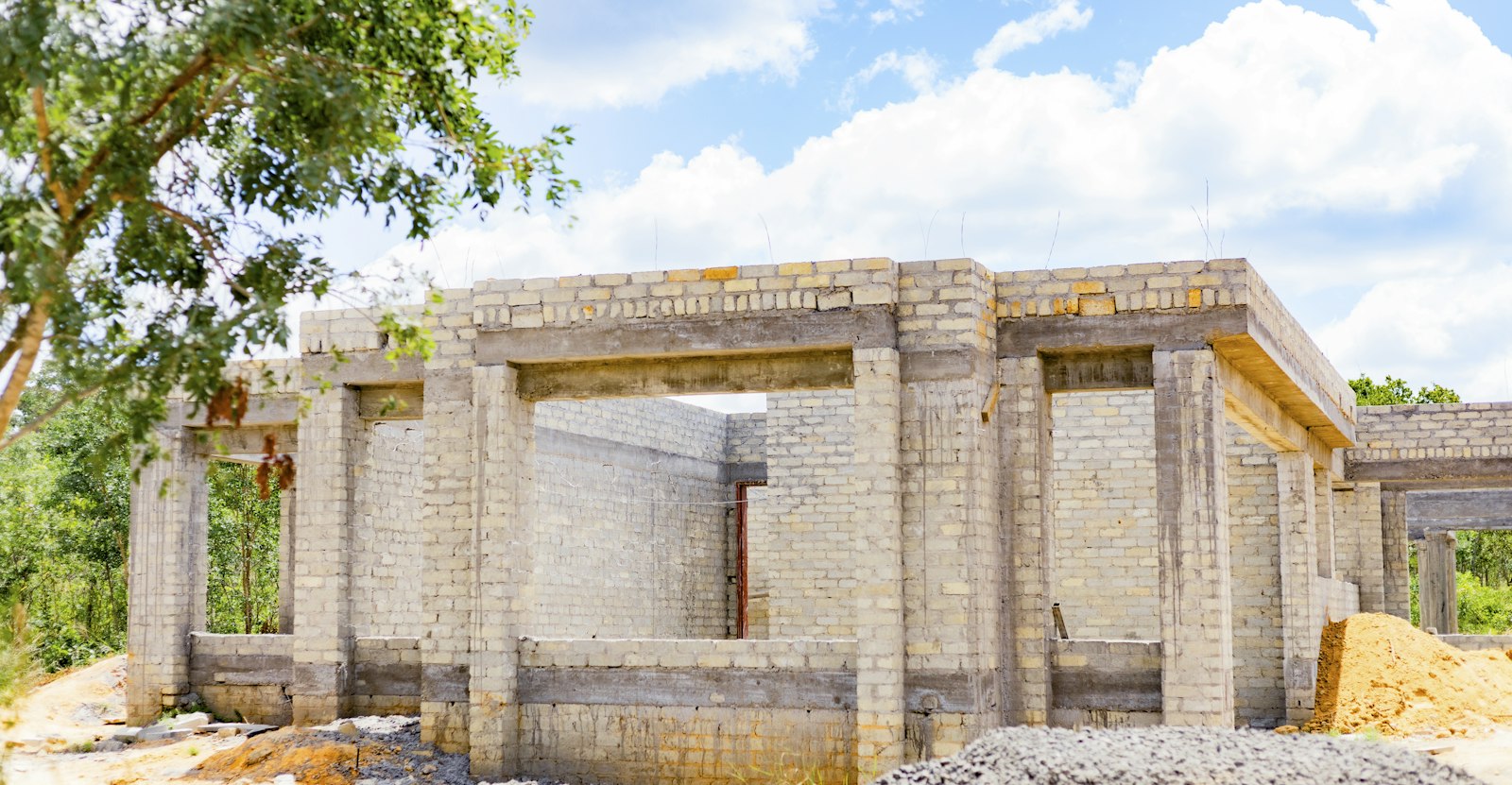
Slab Foundation Repair
Settlement under a slab shows up in the doors and the brick long before the concrete says anything.
Slab Foundation RepairMansfield grew fast across heavy southeast Tarrant clay, with subdivision after subdivision going up from the 1990s through today. Much of it is large slab-on-grade housing on flat ground, where the question is usually what happens to the water in the back yard.
Settlement under a slab shows up in the doors and the brick long before the concrete says anything.
Slab Foundation Repair
Even soil moisture is what keeps a house still. Grading, roof water and tree roots are where that is won or lost.
Drainage and Root Barriers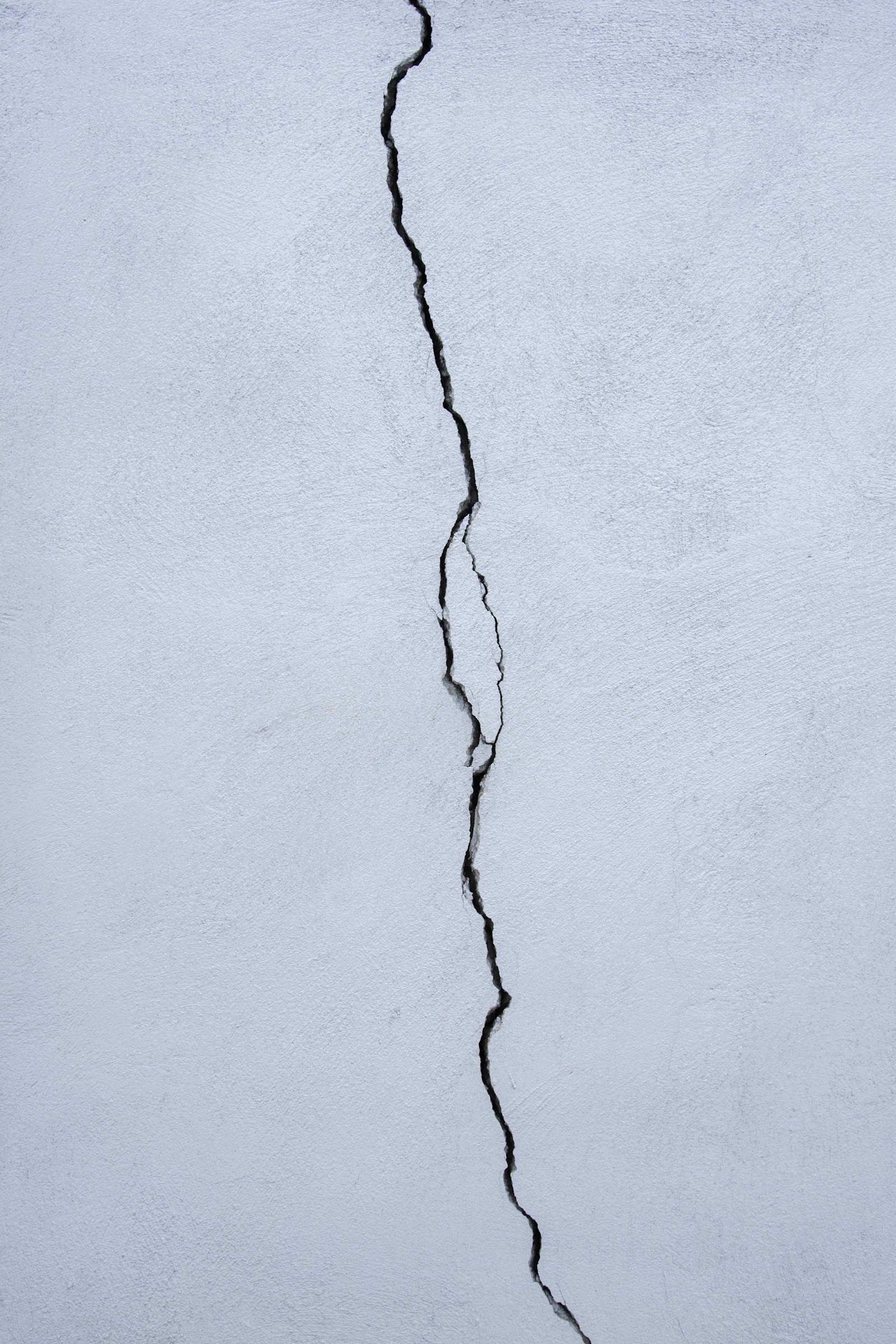
Elevation readings across the floor, written down and dated, so you know what is actually happening.
Foundation InspectionFlat lots are the local complication. When a back yard has almost no fall, roof water and storm runoff sit against the house instead of leaving, and a slab that stays wet along one side through a wet spring then dries unevenly through August is doing exactly what heavy clay makes it do. Look at where the puddles are a day after rain; that is usually the answer.
Many of the newer homes here have post-tension slabs, with steel cables tensioned inside the concrete. They behave differently from conventionally reinforced slabs and they need care when anything is cut or drilled, so say when the house was built and whether you have the builder paperwork.
Note the low spots and where puddles sit a day after a storm. On a flat lot that is the most useful single observation.
Newer slabs here often have tensioned cables inside them. Knowing which you have changes how the work is planned.
On a house still within its structural warranty period, check that paperwork before commissioning anything. It may change who you talk to first.
Where movement is mild and the cause is standing water, correcting grading and roof drainage is the obvious first move and costs far less than structural work. Where a corner has already dropped, support goes in and the method matters: see pressed concrete versus steel piers.
Read how a lift is staged under foundation leveling, ask about the survey that decides it, or see our Burleson page for the neighboring area to the west.
Directly north of here the same clay runs under much older housing, which changes the pattern completely; that is covered on the Arlington page.
It follows the survey: how many supports, where, and how deep. On a newer home with mild seasonal movement, the recommendation may be drainage work only, which is a much smaller number. Ask the independent provider to put the scope, the placement plan and the price in writing before anything is scheduled, and whether structural work is warranted yet.
Fort Worth Foundation Repair Pros connects Mansfield and nearby south-east Tarrant callers with independent providers for inspections, slab repair, underpinning and drainage correction. Mention the year the house was built when you call. The services page covers what is involved in each.
It depends on the provider and the property location. Surveys are appointment-based, so call to check availability. Taking readings across a large single-story home takes a while and should not be rushed. If the house is under a builder warranty, get that paperwork out before the visit.
Shallow inspection of your own grading is fine, but stop there. Water lines, gas service, irrigation and electrical runs all sit near the perimeter, and on a post-tension slab there are tensioned cables inside the concrete that must never be cut or drilled into casually. Digging deep against a footing is not a homeowner job.
Some settlement in the first couple of years is normal, especially on heavy clay. What is not normal is a slab still moving significantly after that, or one corner dropping while the rest stays put. Get a dated survey so you have a baseline, and check your builder structural warranty before paying anyone for repairs.
Yes, in the detail. The cables inside a post-tension slab are under load and their layout dictates where anything can be cut, cored or fixed. Support can still be placed around the perimeter, but the crew needs to know what they are working on. Have the build year and any builder documents ready for the provider.
Mention where water stands after rain and roughly when the house was built.