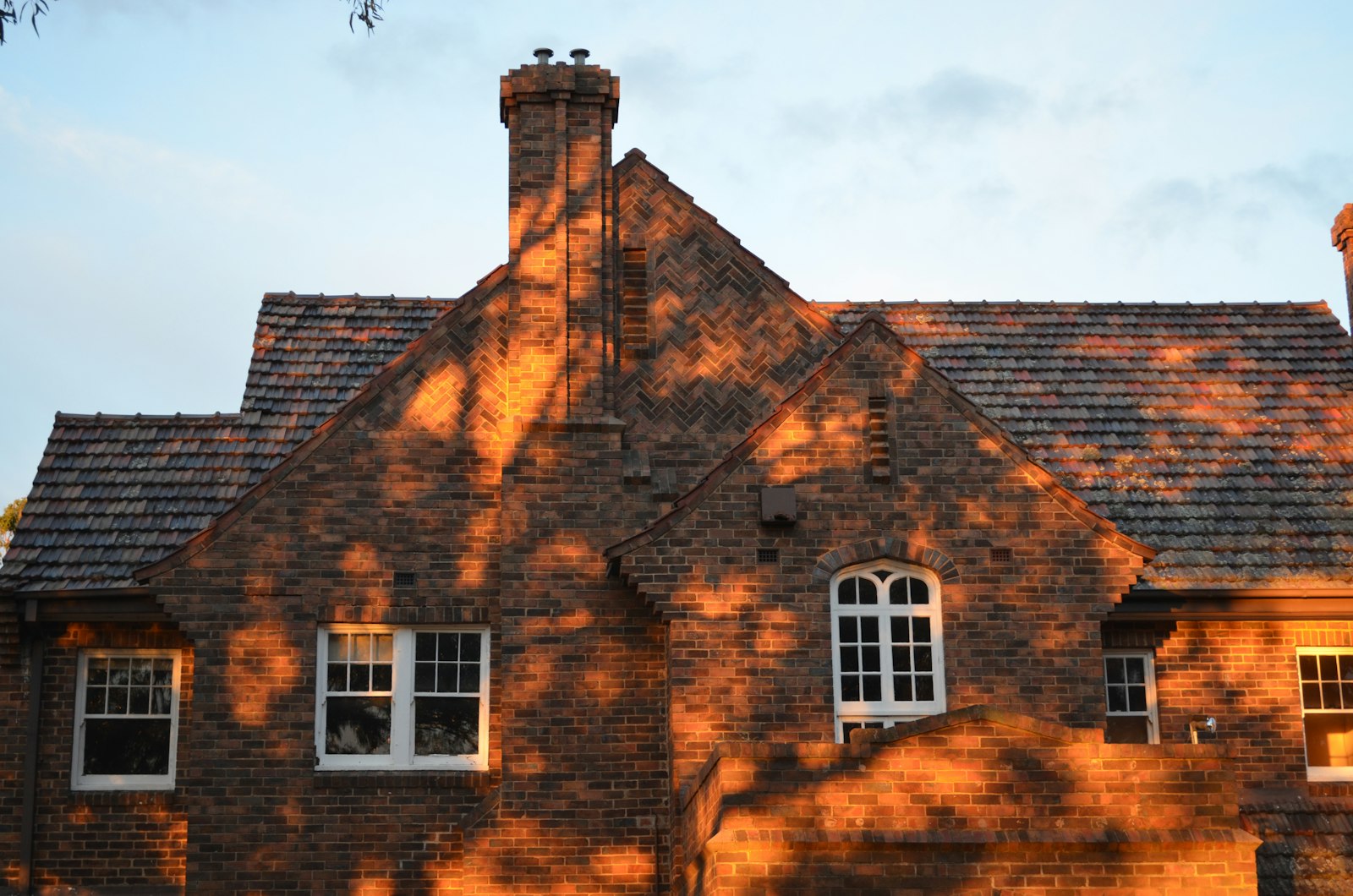
Keller, TX
Large two-story brick homes built from the 1990s onward sit on clay that shrinks hard in a dry August, and the mature post oaks planted at build are now drawing from under the slab.
View Keller serviceFort Worth Foundation Repair Pros connects callers across Fort Worth and nearby Tarrant and Parker County communities with independent providers. Soil, house age and drainage change noticeably from one side of the metroplex to the other, and availability depends on your actual address.
Large two-story brick homes built from the 1990s onward sit on clay that shrinks hard in a dry August, and the mature post oaks planted at build are now drawing from under the slab.
View Keller service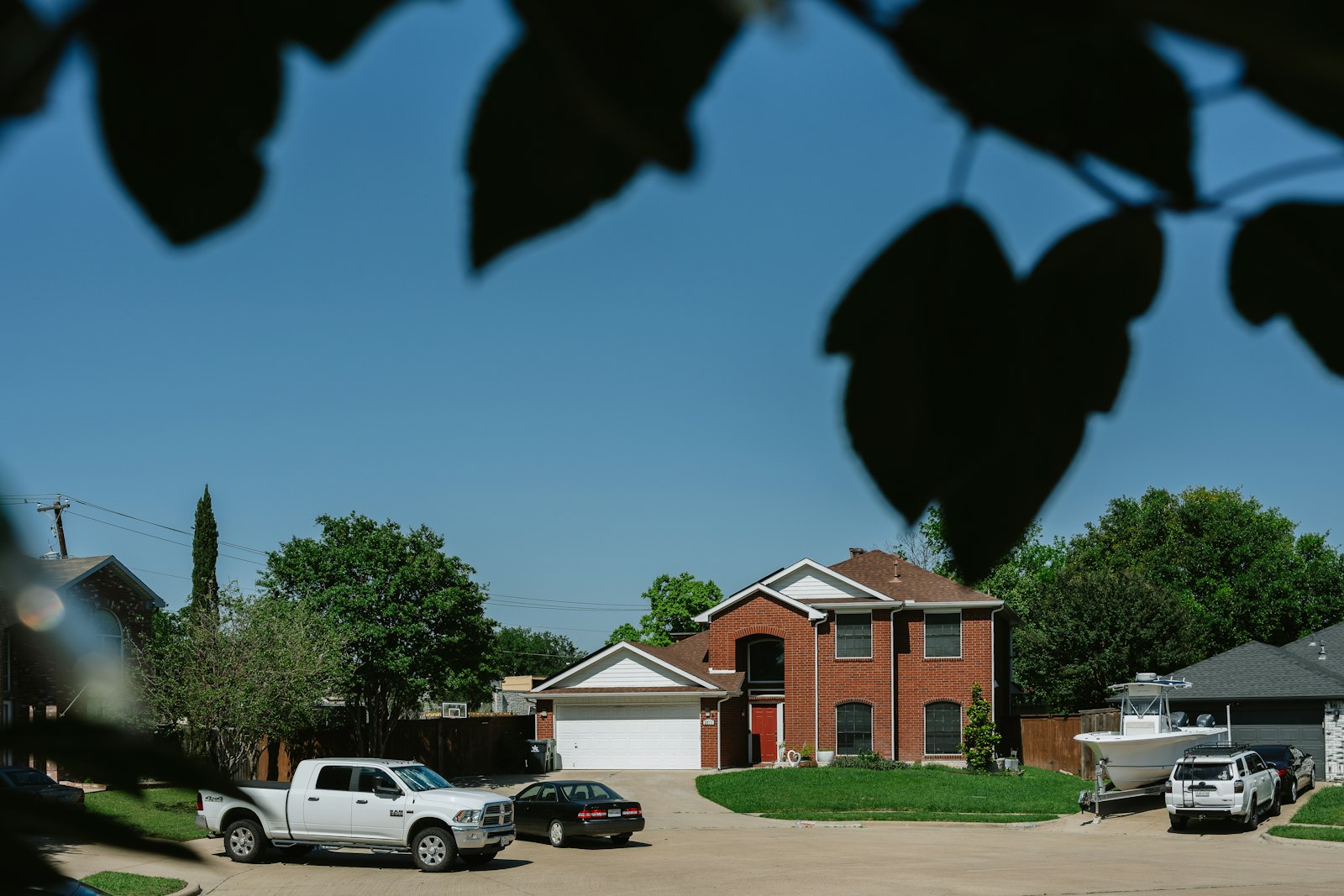
Big custom footprints mean more slab to move at once. Heavy irrigation on one side of the house and a dry side in shade is a common pattern here.
View Southlake service
Mid-cities slabs from the 1960s through the 1990s have been through several drought cycles, and the original cast-iron drain lines under them are the same age.
View North Richland Hills service
Newer subdivisions on heavy southeast Tarrant clay, many with post-tension slabs, where drainage across a flat back yard decides how the soil behaves.
View Mansfield service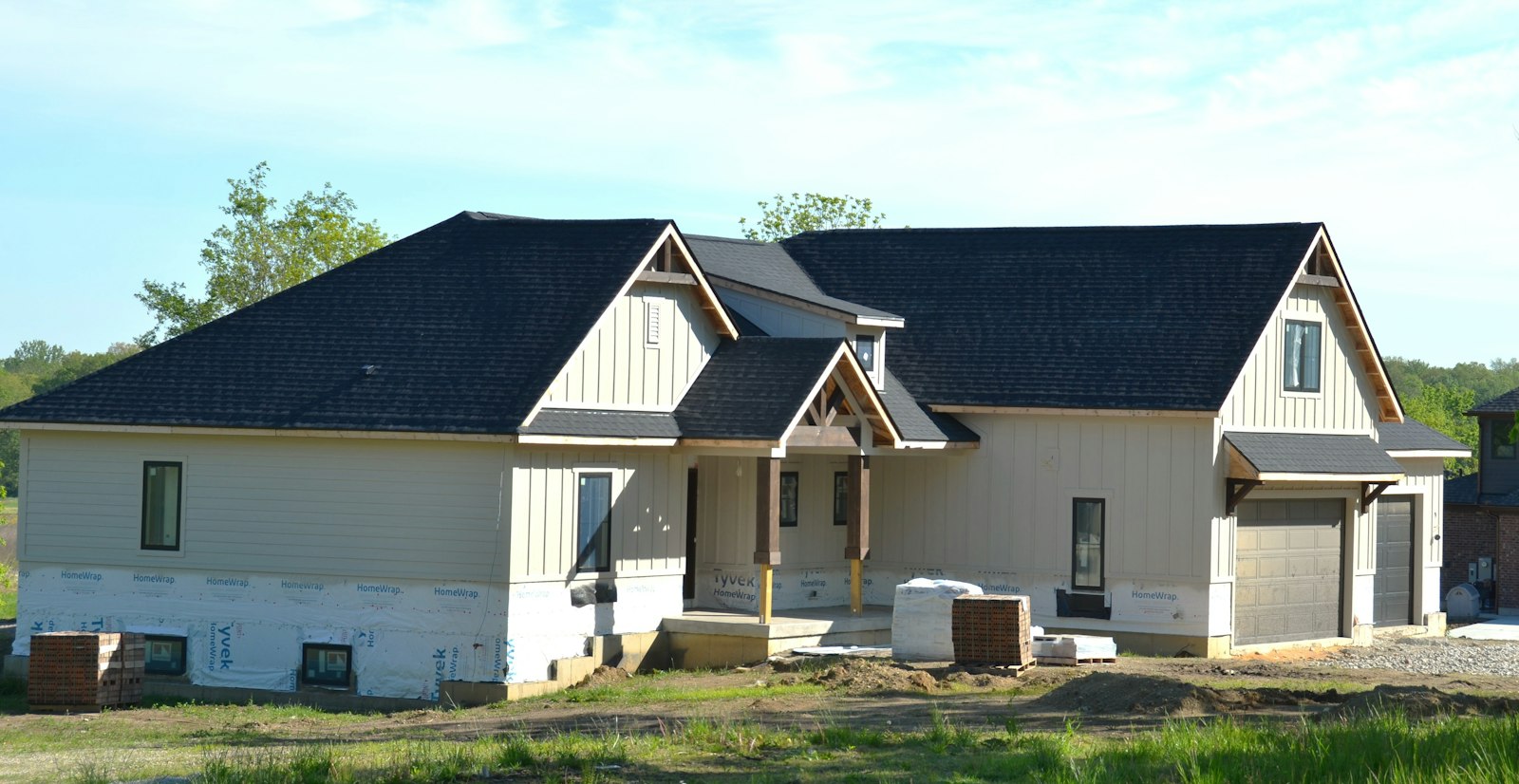
Growth along I-35W has put thousands of slabs on ground that used to be pasture, next to an older downtown where pier-and-beam houses are still common.
View Burleson service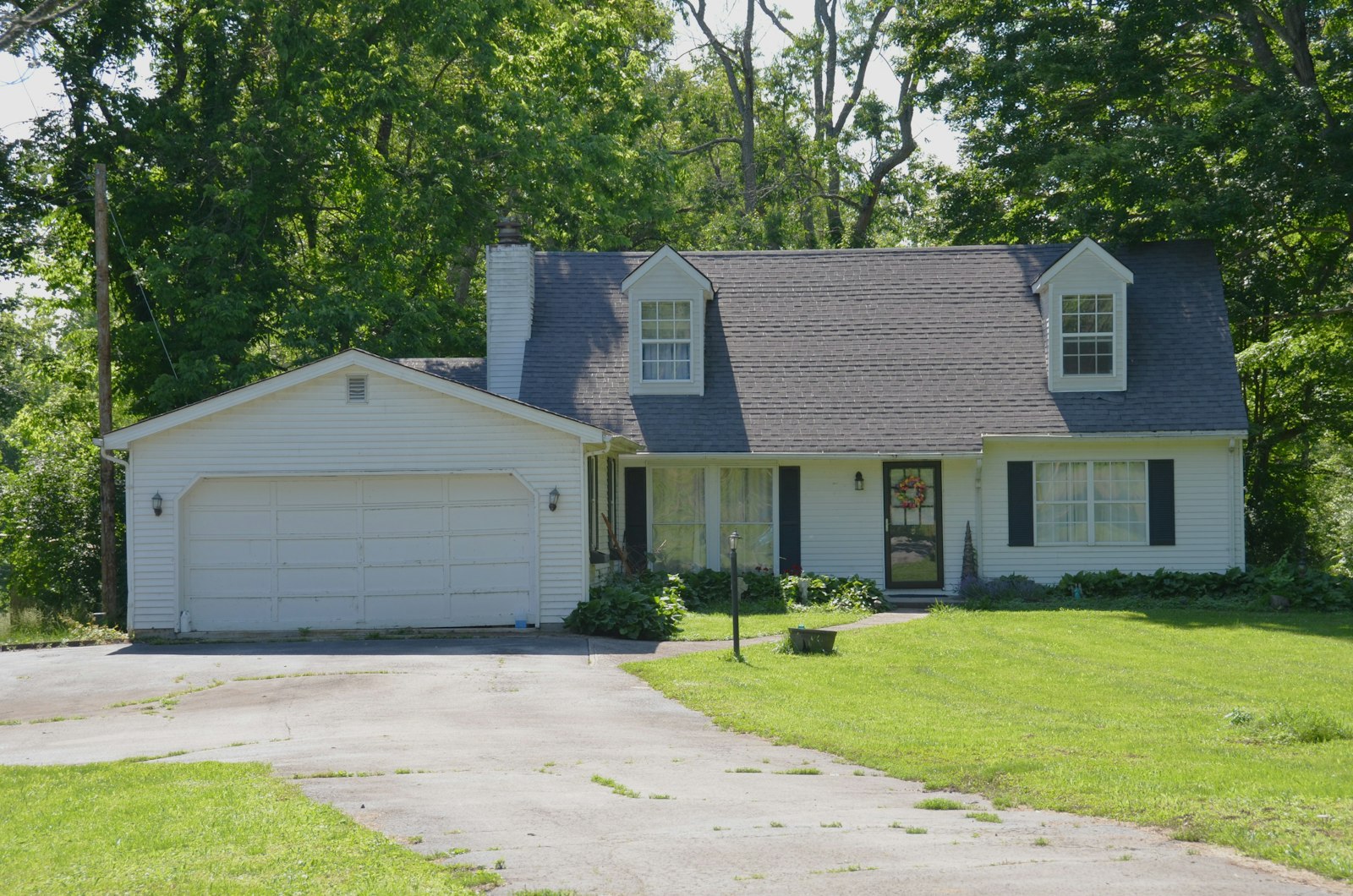
West into Parker County the soil turns sandier, acreage lots drain differently and there are still original homes on pier-and-beam near the square.
View Weatherford service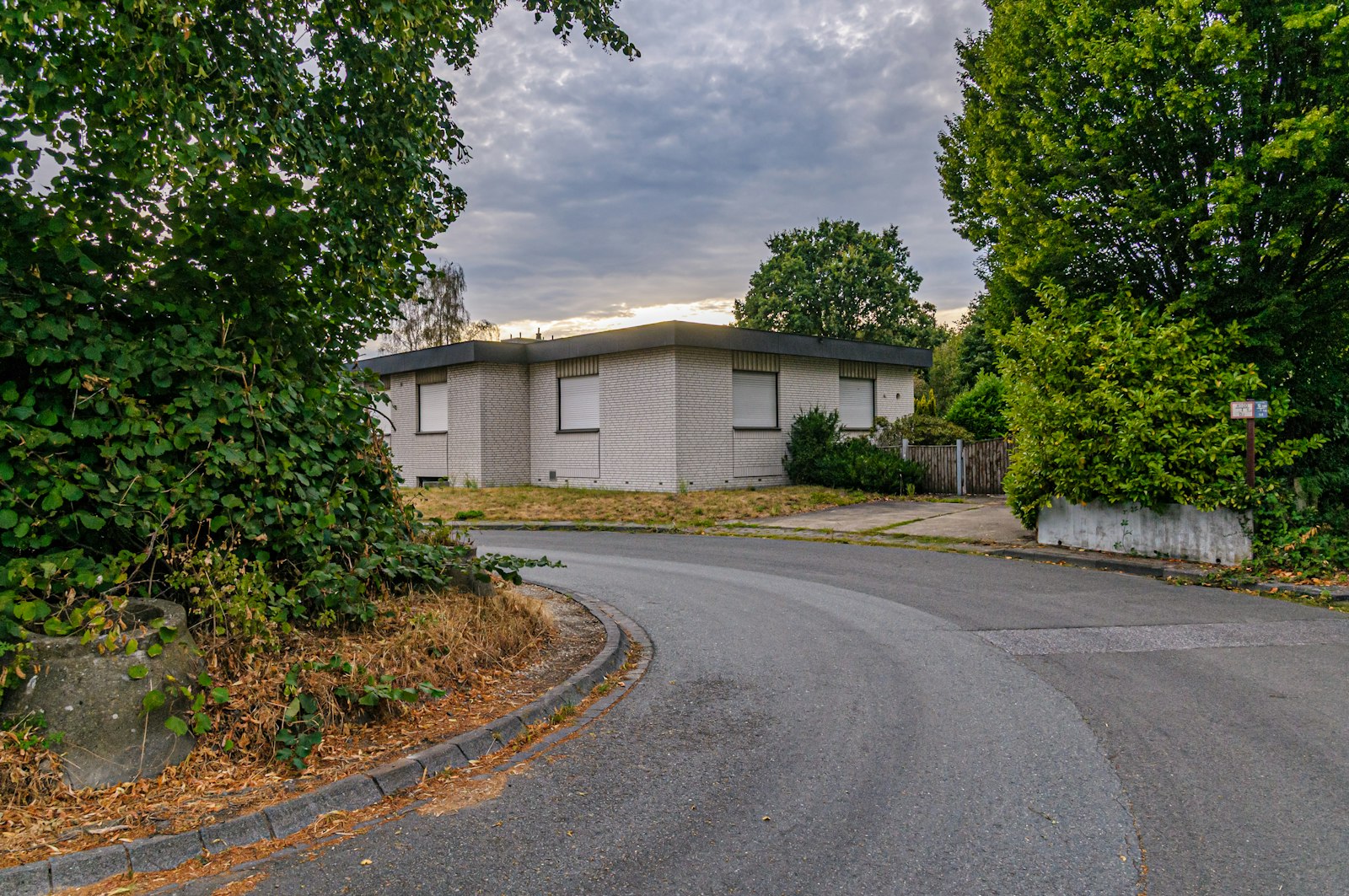
Ranch houses from the 1960s through the 1980s on sloping ground near the lake, where the water runs during a storm often explains the cracking.
View Benbrook service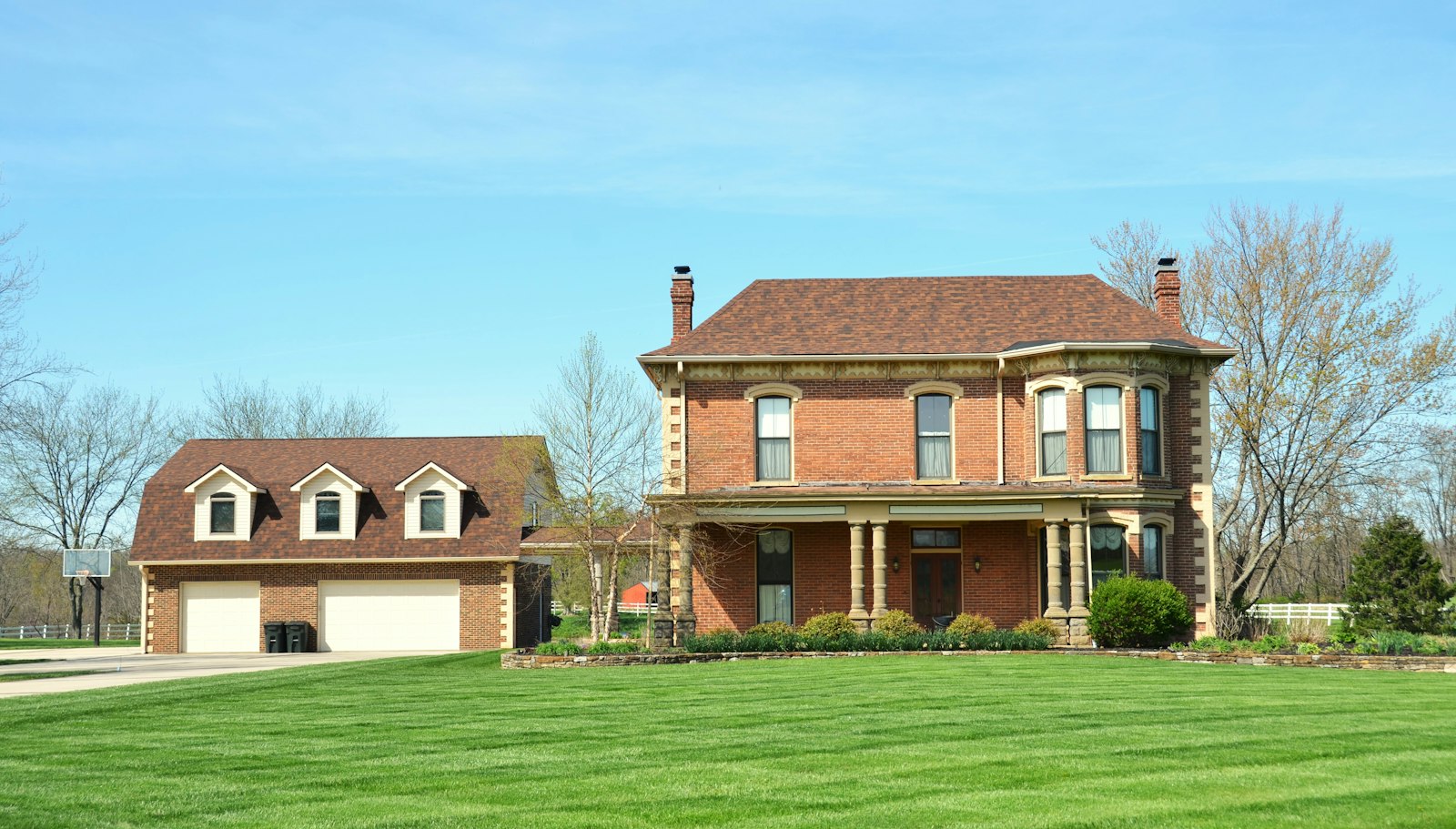
Post-war streets near the center and 1990s to 2000s subdivisions south of I-20, all on the same shrink-swell clay.
View Arlington service
A 1950s to 1970s suburb northeast of downtown, with low ground near Big Fossil Creek and drain lines as old as the slabs.
View Haltom City serviceThe ground under this area is not one thing. Drive east or south of downtown and you are on deep, sticky clay that opens into visible cracks by late summer; head west on I-20 past Benbrook and the soil turns sandy and rocky, with limestone close to the surface in places. Two houses twenty minutes apart can move for opposite reasons.
House age matters just as much. The 1920s to 1950s streets near the center of Fort Worth are largely pier-and-beam with crawl spaces you can get into. Almost everything built in the suburbs from the 1960s onward is slab-on-grade, and the newest subdivisions use post-tension slabs, which change how a repair is planned and where supports can go.
When you call, give the property ZIP code, the approximate age of the house and whether it is slab or pier-and-beam. Mention gates, steep driveways or a crawl-space hatch that is hard to reach. Coverage now also includes Arlington and Haltom City. Then read how the service works, compare the available repairs, look through the common questions and call about a visit.
Call with the property ZIP code to check whether an independent provider is available.