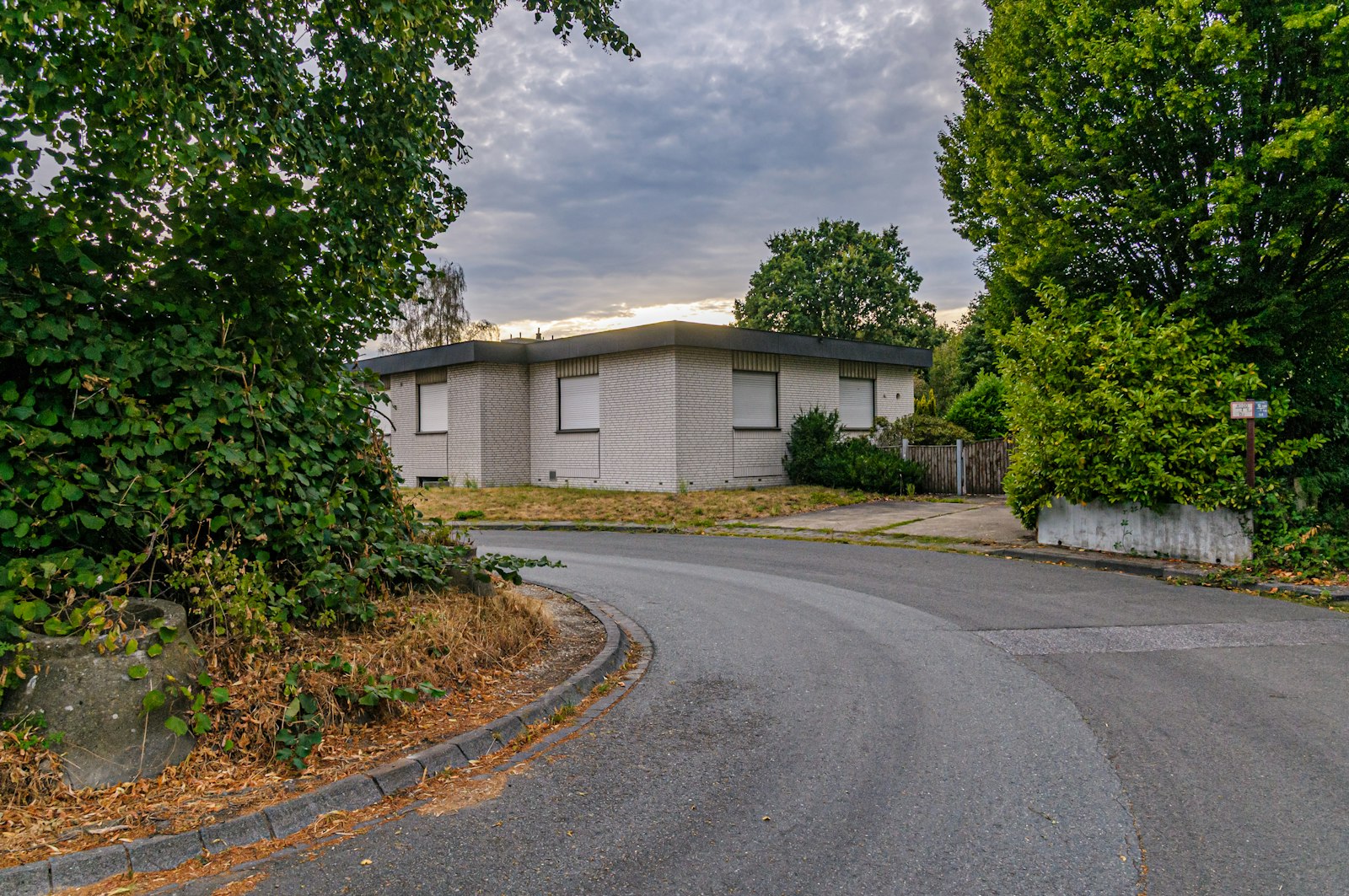
Pier and Beam Repair
Some of the older housing here still sits on piers with a crawl space, and the floors show it first.
Pier and Beam RepairHaltom City went up fast in the 1950s, 1960s and 1970s just northeast of downtown Fort Worth, and it is still largely that housing: modest single-story homes, shallow lots, and Big Fossil Creek and its low ground running through the middle of it. Age and water are the two things that explain most of the movement seen here.
Some of the older housing here still sits on piers with a crawl space, and the floors show it first.
Pier and Beam Repair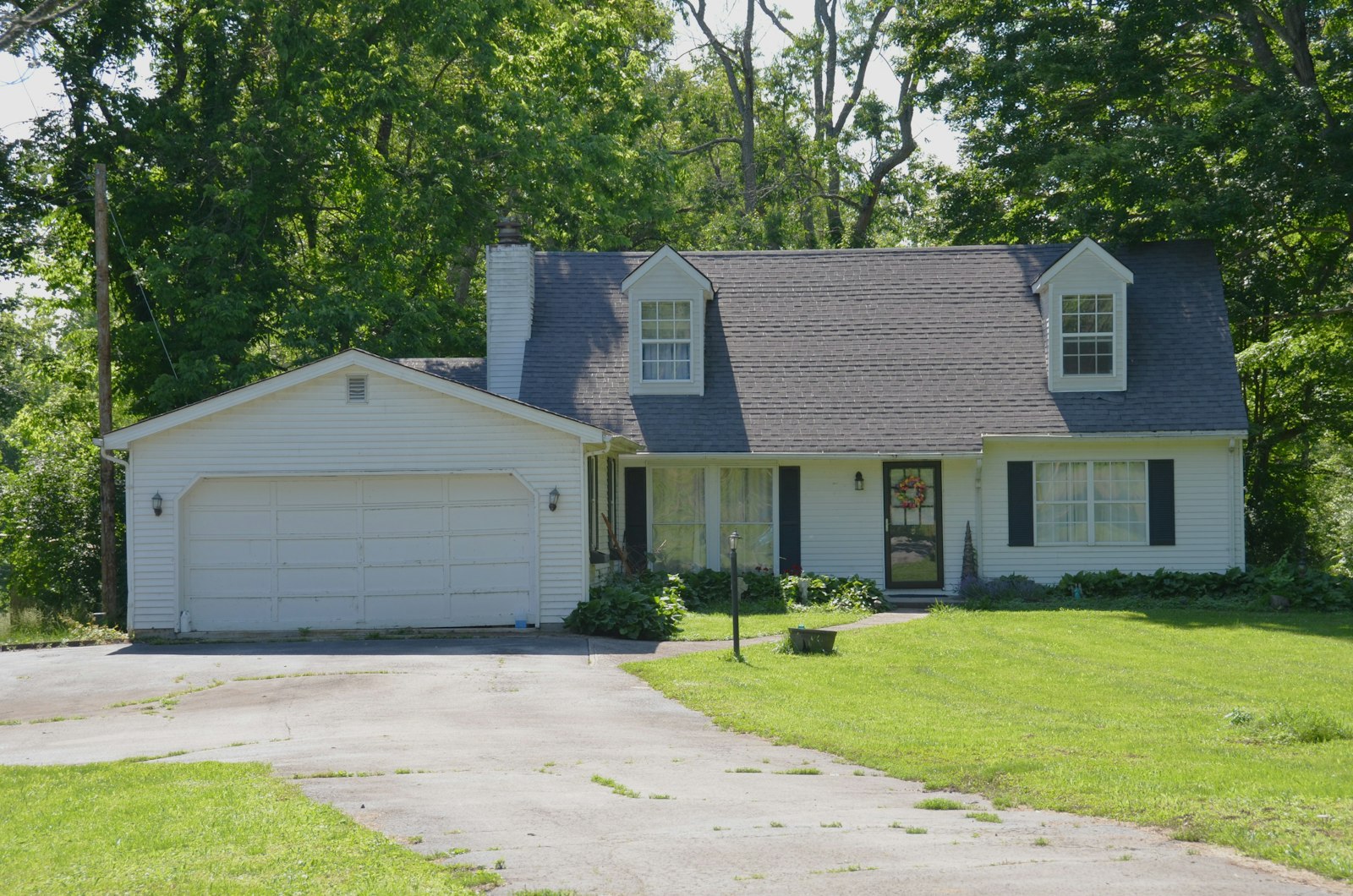
Sagging joists, sunken piers and ground that never dries out, fixed from underneath the floor.
Crawl Space Repair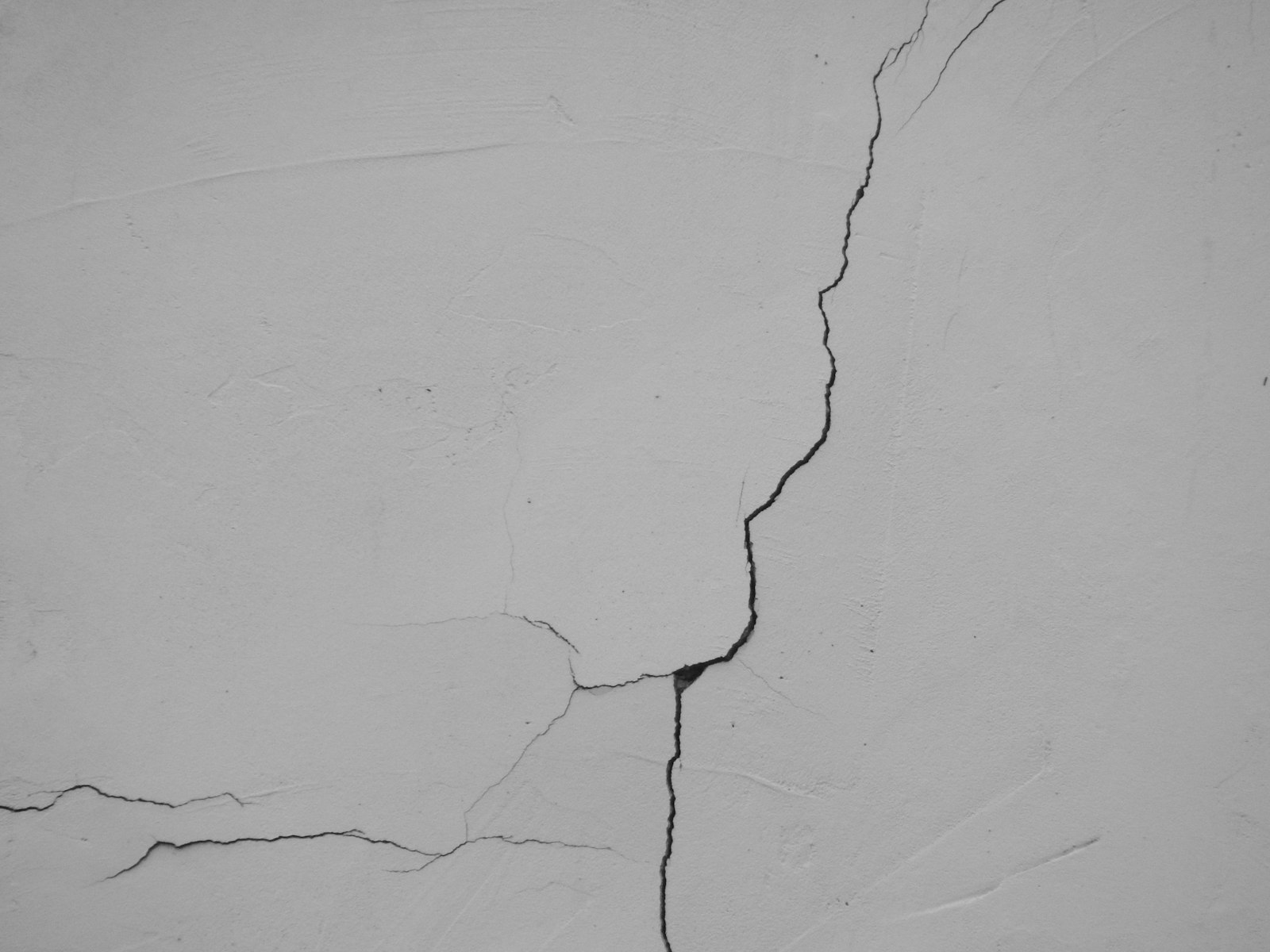
Elevation readings taken room by room and written down, so you know what the house is really doing.
Foundation InspectionMost foundation movement in Haltom City comes down to the era. A slab poured in the early 1960s has been through every drought since, with cast-iron and clay drain lines beneath it that are now at the age where joints separate. A leaking line keeps one patch of clay permanently wet while the rest of the lot bakes, and that difference alone is enough to tip a corner of the house down. On the older streets there are still homes on piers with a crawl space, where the same damp ground rots joist ends instead.
The other local factor is where your lot sits relative to Big Fossil Creek and the flatter ground around it. Lower lots hold water longer after a storm, and a downspout emptying beside the wall on ground that already drains slowly is a reliable way to keep one side of a house moving. Small additions and enclosed carports are common here too, and they were often built on their own shallow slab that moves independently of the original house.
Roughly when the house was built, and whether it is on a slab or has a crawl space, decides what the visit needs to include.
A warm patch on the floor, a water bill that crept up, or grass that stays green beside the house in August points under the concrete.
Rooms added later often sit on a separate slab. Where they meet the original house is where the cracking usually shows.
On a 1960s slab where one wall has dropped gradually and the rest of the house is close to level, perimeter supports with the drainage corrected around them is the usual scope, and pressed concrete pilings are the common choice. Where a previous repair has moved again, or the low area runs deep into the slab, that is the argument for going further down; our guide to pressed concrete versus steel piers explains what each method is actually doing.
If a line under the slab turns out to be leaking, that gets dealt with before or alongside the lift rather than after it. Read about slab repair, ask about an elevation survey, or see the North Richland Hills page for the neighboring mid-cities streets.
Single-story houses with clear access around the outside are often among the more contained jobs, because the crew can work the perimeter without dismantling landscaping first. Costs rise when interior supports are involved, when a broken line under the concrete has to be repaired first, or when a later addition has to be treated separately. Ask the independent provider to put the scope and price in writing before you approve work.
Fort Worth Foundation Repair Pros connects callers in Haltom City and nearby northeast Tarrant County cities with independent providers for inspections, slab and pier and beam repair, crack repair and drainage correction. Mention the age of the house and whether it has a crawl space when you call, so the provider can plan.
It depends on the provider. Inspections are set by appointment, and availability and scheduling depend on the provider and the property location. Call to check who is available. If a door has jammed shut recently or you have found water under the house, mention it when you call.
Almost never. Movement in these houses happens over years and the structure stays safe to live in. What does cause harm is a broken line under a slab leaking unseen for months, and homeowners trying to jack or shore the house themselves. Leave the lifting to a crew with the floor on instruments, and get the plumbing question answered during the inspection.
Yes, and usually in your favor. Everything holding the floor up can be seen and reached, so the problem is diagnosed directly instead of inferred, and the lift can be taken slowly and adjusted later. The work is normally resetting piers, replacing crushed shims, sistering sagging joists and drying the ground out, which is covered on the crawl space repair page.
Not automatically, but low, slow-draining ground does change the pattern. Soil that stays saturated for days after a storm and then dries out in a rainless August swings further than soil that drains steadily, and the further it swings the more the house rides up and down with it. That is why the walk around the outside looks hard at grading, gutters and where your downspouts actually empty, covered under drainage correction.
Mention the age of the house, whether it is slab or crawl space, and what changed.