Foundation Settlement Repair in Fort Worth
Foundation settlement repair in Fort Worth usually starts in the fall, when summer heat has dried the soil and new cracks, sticking doors or sloping floors finally show up. A local inspection tells you whether the movement is minor or needs piers, leveling or drainage work. Call to be connected with a local provider.
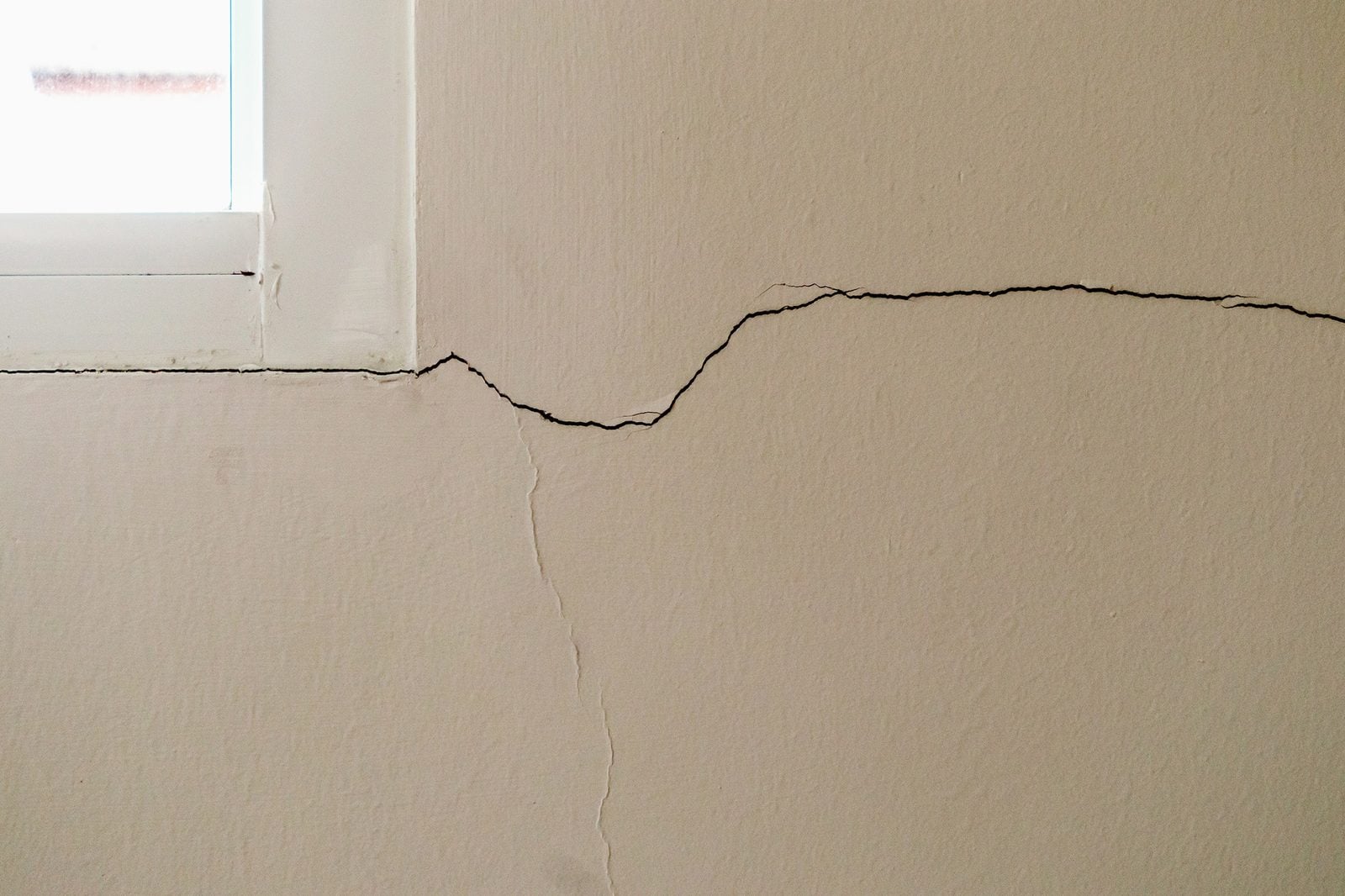
- Settlement means part of a foundation has moved down. Clay soil that shrinks in dry weather is a common cause in North Texas.
- Fall is when many Fort Worth owners notice summer movement: new drywall cracks, doors that stick and gaps at window frames.
- DFW's average last 100 degree day is August 27, and the average first freeze at DFW Airport is November 22.
- Common repair options include pressed piers, steel piers, re-shimming on pier and beam homes, and drainage correction.
- Ask for an inspection and a written quote before any work starts. Severe signs call for a structural engineer.
What is foundation settlement repair in Fort Worth?
Foundation settlement repair in Fort Worth is work that stops a sinking part of a foundation from moving further and, where possible, lifts it back toward level. It usually involves piers driven under the slab or beams, plus fixes for the drainage or soil moisture that caused the problem.
All homes settle a little after they are built. That is normal. The trouble starts when one part of the house moves more than another. This is called differential settlement, and it is what cracks brick, tilts floors and jams doors. Repair is about finding out why one area dropped and choosing a fix that matches the cause. Some homes need foundation piers and underpinning. Others mainly need better drainage and a watchful eye.
Why do foundation settlement problems show up in the fall?
Settlement problems often show up in Fort Worth in the fall because the soil has spent all summer drying out and shrinking. When clay loses moisture, it pulls away from the foundation and can leave parts of the slab or piers with less support. The cracks and gaps appear weeks later.
Fall rain can make the change more obvious. Dry clay that suddenly gets wet swells again, but not always evenly. One side of a house may rise a bit while another stays low. That uneven push and pull is why a crack can open in September and partly close by December.
What are the signs my Fort Worth house is settling?
The most common signs of foundation settlement in a Fort Worth house are stair-step cracks in brick, diagonal cracks at the corners of doors and windows, doors that stick or swing open, sloping floors and gaps between walls and the ceiling. One sign alone may be minor. Several together deserve an inspection.
- Outside: stair-step cracks in brick mortar, gaps around window frames, a slab edge that looks lower on one side, or trim pulling away from brick.
- Inside: drywall cracks that start at the corners of doors and windows, doors that rub or will not latch, cabinets pulling away from walls, and floors you can feel slope.
- Pier and beam homes: soft or bouncy floors, a dip in the middle of a room, or shims under the house that have shifted. The pier and beam foundation repair page covers these in more detail.
Take photos and write down the date when you first notice each sign. That record helps a provider see whether things are changing.
Need help now? Call to be connected with a local provider in Fort Worth who can check availability for your address.
What repair options are used for a settled foundation?
The main repair options for a settled foundation in Fort Worth are pressed concrete piers, steel piers, re-shimming or adding piers under pier and beam homes, and drainage correction. The right choice depends on the foundation type, how far it moved, the soil and what caused the settlement.
- Pressed concrete piers: concrete cylinders pressed into the ground under the slab, then used to lift and support it.
- Steel piers: steel sections driven deeper, often to firmer soil or rock. The pressed concrete vs steel piers guide compares the two.
- Re-shimming and new piers: common on pier and beam homes, where the floor framing can be adjusted from the crawl space.
- Drainage and root barriers: gutters, grading, French drains and root barriers help control the moisture changes that drive settlement.
Often the plan is a mix. Piers address the low area, and drainage work addresses the cause.
Does pier foundation repair fix settlement for good?
Pier foundation repair can stabilize a settled area of a Fort Worth home, but no repair can promise the soil will never move again. Piers support the part of the foundation they are placed under. Other areas can still move if the soil around them changes a lot.
That is why good repair plans look at the whole house, not just the worst crack. Ask the provider which areas they plan to support, why they chose that layout, and what you can do about drainage. Ask what records they give you after the work, such as before and after floor level readings. Those records matter if you sell the house later.
What happens during the visit?
During a foundation settlement visit in Fort Worth, a local provider inspects the house inside and out, explains what is causing the movement, walks you through repair options and gives you a written quote before any work begins. You decide what happens next.
- Inspection: they look at cracks, doors, windows, the slab edge or crawl space, gutters, grading and trees near the house. Many take floor level readings room by room.
- Explanation: they show you which areas have moved, how far, and what likely caused it, often with a simple drawing or readings.
- Options: they explain choices such as piers, re-shimming, leveling or drainage work, and what each one is meant to do.
- Written quote: you get the scope of work in writing before anything starts, so you can compare and ask questions.
If the signs are severe, ask whether a structural engineer should review the house first. You can read more on the foundation inspection page.
Should I fix settlement before winter or wait until spring?
Many Fort Worth owners choose to get settlement inspected in the fall so they know what they are dealing with before winter. Fall inspections record the movement while summer drying is still visible, which can help a provider plan. Whether you repair now or later depends on how severe the signs are.
Minor settlement can sometimes be watched through winter with photos and notes, then reviewed again. Settlement that is getting worse, affecting doors or letting water in is usually worth addressing sooner. Wide or fast-growing cracks, leaning walls or floors that dropped quickly should be checked by a qualified professional or structural engineer right away. Either way, an inspection now gives you a baseline. Call to be connected with a local provider who can look at the house and explain your options.
How do Fort Worth soil and weather affect foundation settlement?
Soil and weather in the Fort Worth area put steady stress on foundations. The highly expansive Houston Black clay of the Blackland Prairie, which runs from north of Dallas south to San Antonio, "shrinks and swells markedly with changes in moisture content." Most of Fort Worth lies west of the Blackland Prairie, but the USDA also lists Houston Black soil in the eastern part of the Grand Prairie. In dry periods, the USDA describes cracks 1/2 to 4 inches wide at 12-inch depths in this soil. Soil changes from street to street, so an on-site look matters more than a map.
Summer heat is a big part of the story. DFW recorded 71 days of 100 degrees or more in 2011. The average first 100 degree day is July 1 and the average last is August 27. Winter adds its own swings. The average first freeze at DFW Airport is November 22, and in February 2021 DFW stayed below freezing for 139 hours in a row.
Most homes here sit on slabs. The National Association of Home Builders reports that 97.9% of new single-family homes in the West South Central region, which includes Texas, were built on slab foundations in 2024.
Owners across the area, from Fort Worth and Keller to Burleson, Mansfield and North Richland Hills, can call to be connected with a local provider who can inspect settlement and explain options.
Related pages
Questions people ask
What is foundation settlement repair and do I need it in Fort Worth?
Foundation settlement repair in Fort Worth stabilizes a part of the foundation that has sunk and, when possible, lifts it toward level. You may need it if you see growing cracks, sticking doors or sloping floors, and an inspection confirms uneven movement.
Why does my house in Fort Worth get new cracks every fall?
New fall cracks in Fort Worth homes are often caused by clay soil that dried and shrank over the summer. When soil support changes unevenly, walls and brick can crack. Fall rain can then make the soil swell again, so cracks may open and close with the seasons.
How can I tell normal settling from a foundation problem?
Normal settling in a Fort Worth home usually means thin hairline cracks that do not grow. A foundation problem is more likely when cracks widen, follow a stair-step pattern in brick, or come with doors that stick and floors that slope.
Is a stair-step crack in my brick a sign of foundation settlement?
A stair-step crack in brick mortar is a common sign of foundation settlement in Fort Worth homes. It does not always mean a serious problem, but it is worth an inspection, especially if the crack is getting wider.
Can I wait until spring to deal with foundation settlement?
Sometimes, if the settlement in your Fort Worth home is minor and not changing. Many owners get an inspection in the fall for a baseline, then decide. Signs that are getting worse are usually worth addressing sooner.
What does pier foundation repair involve?
Pier foundation repair in Fort Worth places concrete or steel piers under the low part of a foundation to support it and, when possible, lift it. The provider digs access holes, installs the piers, adjusts the foundation and backfills the holes.
Are steel piers or concrete piers better for a settling house?
Neither is right for every Fort Worth home. Steel piers are usually driven deeper, while pressed concrete piers are a common choice for many slabs. A provider should explain why they recommend one for your soil and foundation.
Does foundation settlement repair work on pier and beam houses in Fort Worth?
Yes. Settlement repair on Fort Worth pier and beam houses often means re-shimming, adding or replacing piers and repairing beams from the crawl space. It is a different process from slab repair, but the goal of stable, more level floors is the same.
Should I call a structural engineer or a foundation company first?
For most Fort Worth homes with mild signs, starting with a foundation inspection is reasonable. If the signs are severe, such as wide cracks, leaning walls or floors that dropped quickly, ask for a structural engineer's review before choosing a repair.
How do I know if my foundation settlement is getting worse?
Track it. Take dated photos of cracks in your Fort Worth home, mark the ends of cracks with a pencil and note which doors stick. If cracks grow past your marks or new ones appear, the settlement is likely still active.
Does homeowners insurance pay for foundation settlement repair in Texas?
It depends on your policy. The Texas Department of Insurance lists damage to foundations or slabs as an optional add-on, so check your policy for a foundation or slab endorsement and ask your agent before assuming either way.
What should I ask before hiring someone for foundation settlement repair?
Ask what is causing the settlement in your Fort Worth home, where piers or other fixes will go, and why. Also ask for a written quote and scope, what records you get afterward, and whether an engineer should review the plan.
How much does foundation settlement repair cost in Fort Worth?
The cost of settlement repair in Fort Worth depends on the foundation type, how many areas need support, the repair method and drainage work. The only reliable number is a written quote after an inspection of your house.
Can trees near my house cause foundation settlement?
Yes, trees can add to foundation settlement in Fort Worth because roots pull moisture from the soil near the house. A provider may suggest a root barrier or drainage changes.
Who do I call about foundation settlement repair in Fort Worth?
Call the number on this page to be connected with a local foundation provider serving Fort Worth and nearby cities. They can inspect the house, explain what they find and give you a written quote before any work starts.
Talk to someone about your foundation problem
Call to be connected with a local provider who can check availability for your address and explain the next step.