Does Home Insurance Cover Foundation Repair in Fort Worth?
Does home insurance cover foundation repair? In Fort Worth, the honest answer is that it depends on what caused the damage and what your policy says. Texas Department of Insurance guidance lists foundation and slab damage as an optional add-on, so read your policy, document everything and get a clear inspection before you file.
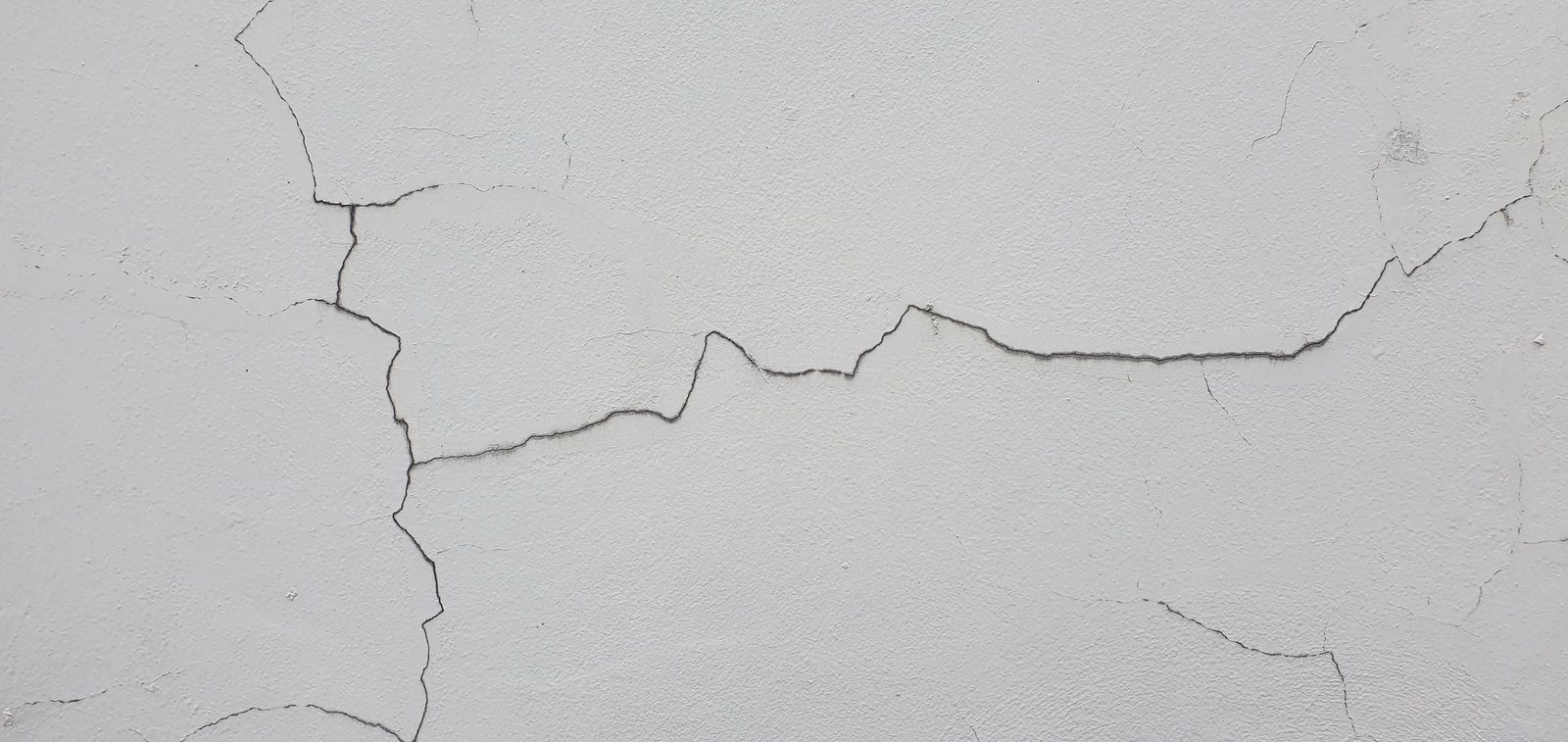
- TDI's home insurance guide lists "Damage to foundations or slabs" as an optional endorsement, so check your policy for that wording.
- TDI says a homeowners policy won't pay for flooding, earthquakes, termite damage, or wear and tear.
- TDI's guide also says policies won't cover a continuous water leak, which matters for slow slab leaks.
- Texas insurers must acknowledge a claim within 15 days and accept or deny it within 15 business days of getting all the information they need.
- A written inspection report that explains the likely cause is one of the most useful things you can give an adjuster.
Does home insurance cover foundation repair in Fort Worth?
Home insurance may or may not cover foundation repair in Fort Worth, and the deciding factors are the cause of the damage and the exact language in your policy. The Texas Department of Insurance (TDI) lists "Damage to foundations or slabs" as an optional add-on, called an endorsement, so many homeowners need to look for it by name.
That is why two neighbors on the same street can get different answers. One policy may include a foundation or slab endorsement, and another may not. One claim may involve a sudden event, and another may involve years of slow soil movement. Before you call your insurer, pull out the full policy, including the declarations page and any endorsements, and read the sections on exclusions and on water damage.
Myth or fact: homeowners insurance always pays for foundation cracks?
This is a myth. Homeowners insurance does not automatically pay for foundation cracks in Fort Worth or anywhere in Texas. TDI says a homeowners policy won't pay for flooding, earthquakes, termite damage, or wear and tear, and most foundation movement from soil shrinking and swelling over time tends to be treated as gradual rather than sudden.
Cracks are a symptom, not a cause. A stair-step crack in brick, a door that suddenly sticks or a gap above a window can come from soil movement, plumbing leaks, poor drainage, tree roots or settling. Your insurer will want to know which one. That is why the first step is not filing a claim but understanding what is going on. Our guide to which foundation cracks matter explains the difference between hairline shrinkage cracks and the kind worth a closer look.
What is a foundation or slab endorsement on a Texas policy?
A foundation or slab endorsement is an optional add-on to a Texas homeowners policy that can extend coverage to foundation or slab damage under certain conditions. TDI's home insurance guide names "Damage to foundations or slabs" as one of these optional endorsements, which means it is not part of every policy by default.
If your policy has one, read it closely. Endorsements often spell out what has to cause the damage, what is excluded, how much can be paid and what documentation the insurer needs. Ask your agent to confirm in writing whether the endorsement is active today, and keep that answer with your home records.
Need help now? Call to be connected with a local provider in Fort Worth who can check availability for your address.
Can a slab leak under my house lead to a covered foundation claim?
A slab leak may or may not lead to a covered claim, and the answer usually turns on whether the water damage was sudden or gradual. TDI's guide says policies won't cover a continuous water leak, and TDI also notes that most policies cover sudden and accidental water damage but usually won't cover gradual leaks or seepage.
In practice, a plumbing line under a slab can leak slowly for a long time before anyone notices. If you suspect a slab leak, shut off the water at the main valve, call a plumber to find the leak, and report hidden water damage to your insurer quickly. TDI says hidden water damage usually must be reported "within days after you first see it." Exact deadlines depend on your policy, so do not wait.
What is usually excluded when Texas insurers review foundation damage?
The exclusions Texas homeowners hear about most often are wear and tear, flooding, earthquakes, termite damage and continuous leaks, all of which TDI says a standard homeowners policy won't pay for. Fort Worth foundation problems tied to long-term soil movement, poor drainage or aging materials often fall into the gradual category.
Flood is a special case. TDI says flood coverage requires a separate policy, and most flood policies have a 30-day waiting period before coverage starts. If water from a storm pools against your foundation, the flood policy, not the homeowners policy, may be the one that matters. The drainage correction and root barriers page explains how grading, gutters and roots affect the soil around a house.
What should I do first if I think my foundation is damaged?
If you think your Fort Worth foundation is damaged, start by documenting what you see, then get a professional opinion on the cause before you file a claim. Photos, dates and a written inspection report give you and your insurer the same facts to work from.
- Take dated photos and short videos of cracks, gaps, sloping floors and doors that stick. Put a tape measure or coin next to cracks for scale.
- Write down when you first noticed each sign and anything that happened around then, such as a storm, a freeze or a plumbing problem.
- If you suspect a leak, turn off the water at the main shutoff valve and call a plumber.
- Read your policy and look for a foundation or slab endorsement and the water damage section.
- Call to be connected with a local provider for a foundation inspection that explains the likely cause in writing.
- Contact your agent or insurer with your photos and the report, and keep notes on every call.
How does the Texas insurance claim timeline work?
Under Texas law as summarized by TDI, an insurer must acknowledge a claim within 15 days, accept or deny it within 15 business days of getting all the information it needs, and pay within five business days after agreeing to pay. This is general guidance, not legal advice, and the clock depends on when the insurer has everything it asked for.
The phrase "all the information it needs" is important. An adjuster may ask for photos, repair estimates, plumbing reports or an engineer's letter. The faster you can provide clear documents, the sooner the review can move forward.
What happens during the foundation inspection visit?
During a foundation inspection visit in Fort Worth, a local provider looks at the home inside and out, checks floor levels and explains what they found and what your options are. You should get a written quote and scope of work before any repair begins. No one can tell you in advance what an insurer will decide.
A typical visit includes a walk around the outside to look at the slab edge, brick, grading, gutters and nearby trees, and a walk through the inside to check doors, windows, drywall cracks and flooring. Many providers take elevation readings across the floor to see how level it is. Afterward, ask for the findings in writing, including the likely cause. When signs are severe, ask whether a structural engineer should review the home.
Should I file a claim or pay for foundation repair myself?
Whether to file a claim or pay for foundation repair yourself depends on your policy, the likely cause and how your insurer handles claims history. Many Fort Worth homeowners talk to their agent first, get an inspection report, and then decide whether the facts fit what the policy covers.
Repair costs vary with the foundation type, how many areas need support, access around the house, soil conditions, drainage work and whether plumbing must be fixed first. A written scope helps you compare that work with your deductible and coverage limits. If the cause looks gradual and your policy has no foundation endorsement, a claim may not be the right path. If the cause looks sudden, such as a plumbing failure, the conversation may be different.
Why do Fort Worth soil and weather matter for insurance questions?
Fort Worth soil and weather matter because insurers ask what caused the damage, and North Texas conditions create slow, seasonal soil movement. The expansive Houston Black clay of the Blackland Prairie runs from north of Dallas south to San Antonio, and the USDA lists it in the eastern part of the Grand Prairie as well. Most of Fort Worth lies west of the Blackland Prairie, so soil varies across the area and an on-site look matters.
Heat dries soil out. DFW recorded 71 days of 100 degrees or more in 2011, and the average first 100-degree day is July 1, with the average last on August 27. Cold matters too. At DFW Airport, the average first freeze is November 22 and the average last freeze is March 12. During the February 2021 winter storm, DFW Airport fell to -2 degrees on February 16 and stayed below freezing for 139 consecutive hours. Insurers reported 36,357 claims in Tarrant County from that storm, across all lines of insurance, as of March 31, 2022.
TDI warns that home policies might not pay for frozen pipe damage if you didn't take steps to protect your pipes, which is worth remembering as freeze season returns. Homeowners in Fort Worth, Keller, Southlake, North Richland Hills, Mansfield, Burleson and Arlington can call to be connected with a local provider who can inspect the home and explain the likely cause in writing.
Related pages
Questions people ask
Does home insurance cover foundation repair?
Sometimes, but not automatically. In Texas it depends on what caused the damage and whether your policy includes a foundation or slab endorsement, which TDI lists as an optional add-on.
Does homeowners insurance cover foundation repair in Fort Worth, Texas?
It depends on your policy and the cause. Fort Worth homeowners should look for a foundation or slab endorsement, read the exclusions and get a written inspection report before filing.
Will homeowners insurance cover foundation repair if the cracks came from clay soil moving?
Usually that is a hard claim. Soil shrinking and swelling over time is often treated as gradual, and TDI says policies won't pay for wear and tear, so check your policy language with your agent.
What is a foundation endorsement on a Texas homeowners policy?
It is an optional add-on that can extend coverage to foundation or slab damage under certain conditions. TDI names "Damage to foundations or slabs" as one of these endorsements.
How do I know if my policy has a slab or foundation endorsement?
Check the declarations page and the list of endorsements attached to your policy. If you cannot find it, ask your agent to confirm in writing whether one is active.
Is a slab leak that damaged my foundation covered by insurance?
It may depend on whether the leak was sudden or continuous. TDI says policies won't cover a continuous water leak, so report hidden water damage quickly and keep the plumber's findings.
Does flood insurance cover foundation damage after heavy rain in Fort Worth?
Flood is handled by a separate policy, not a standard homeowners policy. TDI says most flood policies have a 30-day waiting period, so read your flood policy for what it covers.
Can I get my foundation inspected before I file an insurance claim?
Yes, and many homeowners do. A written report that explains the likely cause helps you decide whether a claim fits your policy and gives the adjuster clear facts.
What should I photograph before calling my insurance company about the foundation?
Photograph every crack, gap, sloping floor and sticking door, with a tape measure for scale. Note the date you first noticed each one and any storm, freeze or leak around that time.
How long does a Texas insurance company have to respond to a foundation claim?
TDI says an insurer must acknowledge a claim within 15 days and accept or deny it within 15 business days of getting all the information it needs. This is general guidance, not legal advice.
Why do so many foundation insurance claims get denied in Texas?
Many foundation problems come from gradual causes like soil movement, drainage or aging materials. TDI says policies won't pay for wear and tear or continuous leaks, which covers a lot of common causes.
Does homeowners insurance pay for foundation damage from tree roots?
Check your policy, because root damage is usually gradual. A provider can tell you whether roots are likely involved and whether a root barrier is worth considering.
Will my insurance cover foundation problems that showed up after the February 2021 freeze?
That depends on your policy and the cause. TDI warns policies might not pay for frozen pipe damage if pipes were not protected, and reporting deadlines are set by each policy.
Should I call a foundation company or my insurance agent first?
Many people call both. Your agent can explain what your policy says, and an inspection tells you what caused the damage, so you have the facts for either path.
Do I need a structural engineer's report for a foundation insurance claim?
Some insurers ask for one, especially when the cause is unclear or the signs are severe. Ask your adjuster what documents they need before you schedule anything.
Does home insurance cover foundation repair on a pier and beam house?
The same rules apply. Coverage depends on the cause and your policy, and problems like settled piers or moisture in the crawl space are often treated as gradual.
What does foundation repair depend on if insurance won't pay?
Cost depends on the foundation type, how many areas need support, access around the house, soil conditions, drainage work and any plumbing repairs. A written scope lets you compare options.
Who do I call about foundation repair and insurance questions in Fort Worth?
Call your insurance agent about your policy, and call the number on this page to be connected with a local provider who can inspect your Fort Worth home and explain the likely cause.
Talk to someone about your foundation problem
Call to be connected with a local provider who can check availability for your address and explain the next step.