How to Fix Cracks in Drywall in Fort Worth
Here is how to fix cracks in drywall in Fort Worth: clean the crack, tape it, cover it with joint compound, sand and paint. That works for small, stable cracks. If the same crack keeps coming back, grows wider, or shows up with sticking doors or brick cracks, the foundation may be moving.
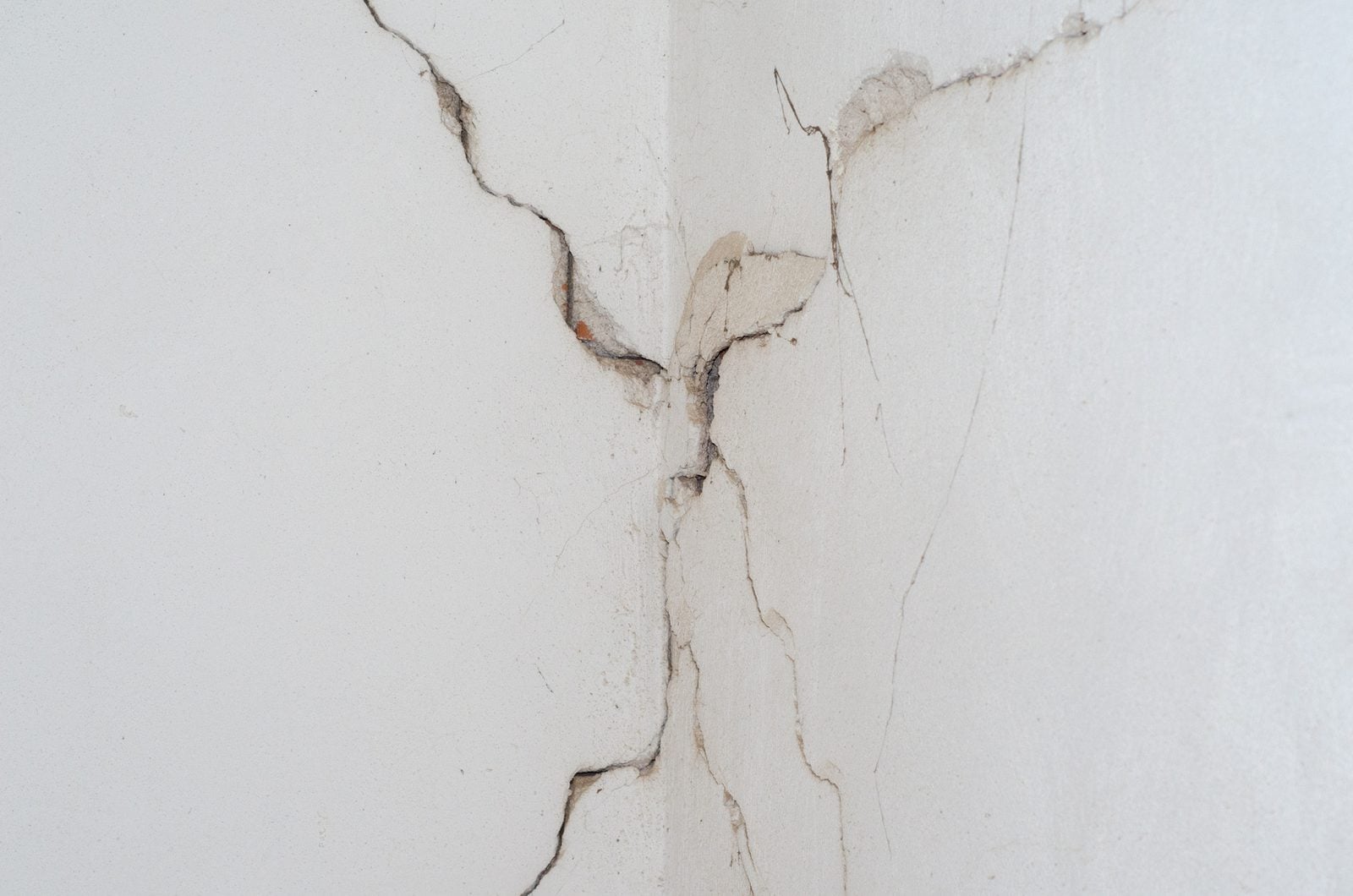
- A thin, straight crack along a taped seam is often shrinkage, and patching it is usually reasonable.
- Diagonal cracks running from the corners of doors and windows are a common sign of foundation movement worth a closer look.
- A crack that reopens after a proper tape-and-mud repair is a sign the wall is still moving.
- The NRCS says Houston Black clay, found in the eastern Grand Prairie, has high shrink-swell potential.
- Mark the ends of a crack and the date before patching, so you can tell if it grows.
How do you fix cracks in drywall the right way?
To fix cracks in drywall in a Fort Worth home, widen the crack slightly, clean out loose material, bed paper or mesh tape over it, apply two or three thin coats of joint compound, sand smooth, prime and paint. A patch only lasts if the wall has stopped moving, so check the cause first.
- Protect the area. Lay down a drop cloth and wear eye protection and a dust mask.
- Open the crack a little. Cut a shallow V along the crack with a utility knife and remove crumbling paper or old compound.
- Tape it. Paper tape bedded in compound holds up well. Self-adhesive mesh tape is easier for beginners. Compound alone usually reopens.
- Apply thin coats. Spread a first coat with a 6-inch knife, let it dry, then feather a wider second coat with a 10- or 12-inch knife.
- Sand, prime and paint. Prime the patch before painting, or it may show through.
If the crack comes back in the same spot within a season or two, the problem is probably not your patching. It is the wall moving.
What causes drywall cracks that are not foundation problems?
Many drywall cracks in Fort Worth homes have nothing to do with the foundation. Common harmless causes include seasonal shrinkage of wood framing, poorly taped seams, nail or screw pops, early settling in new construction, and vibration from slamming doors.
- Thin, often hairline cracks that run straight along a seam.
- Small round bumps where a screw or nail has pushed through.
- Cracks where a top-floor wall meets the ceiling, where roof trusses lift slightly with temperature and humidity.
- No other signs, such as sticking doors or brick cracks outside.
Cracks like these are usually cosmetic, and tape, mud and paint is a reasonable DIY fix.
Which drywall cracks can be a sign of foundation movement?
Drywall cracks that may point to foundation movement in a Fort Worth house are usually diagonal cracks from the corners of doors and windows, stair-step or zigzag cracks, cracks wider at one end, and cracks that keep returning after a proper repair. These deserve an inspection before you patch.
When part of a slab or pier and beam foundation rises or drops, the wall frame above it twists. Door and window openings are the weakest points, so stress collects at their corners and cracks spread at an angle. If you can fit a coin into the crack, or one side of the wall sits higher than the other, the wall has shifted, not just the paint. Our guide to which foundation cracks matter covers slab and brick cracks in more detail.
Need help now? Call to be connected with a local provider in Fort Worth who can check availability for your address.
What other signs should I check before I patch the wall?
Before you patch a drywall crack in Fort Worth, check for doors that stick or will not latch, gaps around window frames, sloping floors, cracked floor tile, and stair-step cracks in exterior brick. One drywall crack alone is often minor. Several signs together suggest the foundation is moving.
- Doors: Does the nearby door rub at the top corner or swing open on its own?
- Windows: Are any harder to open, or pulling away from the wall?
- Floors: Does a marble roll toward one side of the room?
- Outside: Look for zigzag cracks in brick mortar or trim pulling away from brick.
The foundation problem warning signs guide explains what each of these usually means.
When should I patch the crack and when should I get the foundation inspected?
Patch a drywall crack yourself when it is thin, straight, along a seam, and not paired with other signs. Get the foundation inspected in Fort Worth when the crack is diagonal from a door or window corner, wide enough to fit a coin, growing, or comes with sticking doors, sloping floors or brick cracks.
Watch before you fix. Mark both ends of the crack with a pencil line, write the date, and take a photo with a ruler in the frame. If the crack stays the same through a change of seasons, patch it. If it grows past your marks, a patch will not hold.
A crack that appears after a dry summer may tighten after fall rains and reopen the next summer. That back-and-forth pattern is one reason a provider will want to look at the whole house. When signs are severe, such as wide cracks in several rooms or doors that will not close, ask whether a structural engineer should review the home.
Why does a patched drywall crack keep coming back?
A patched drywall crack keeps coming back in a Fort Worth home when the framing behind it is still moving, often because the soil under the foundation shrinks and swells with moisture. It can also return when the crack was filled with compound but never taped.
Rule out the simple cause first. If you used only compound or lightweight spackle, redo it with tape and thin coats. If a properly taped repair still cracks in the same spot, the movement is coming from below, and finding out why the house is moving matters more than patching again. Sometimes the trigger is drainage, such as gutters dumping water against the slab. The drainage correction and root barriers page explains how water and tree roots affect the soil.
What safety issues should I know about before repairing drywall myself?
Drywall crack repair in Fort Worth is a fairly safe DIY job, but stop and think before you cut into a wall. Wires, plumbing and gas lines can run behind drywall, ladders cause falls, and older homes may have materials that should be tested before sanding.
- Electricity: Only cut shallow grooves, and turn off the circuit at the breaker before working near an outlet or switch.
- Plumbing and gas: Walls near kitchens, bathrooms and water heaters often hide pipes. A damp or stained crack could mean a leak.
- Older materials: Some older joint compound, ceiling texture or paint may contain asbestos or lead. Test before sanding if you are not sure.
- Ladders: Use a stable ladder for ceiling cracks and do not overreach.
If a ceiling crack is sagging, bulging or stained, stop and call rather than patching over it.
What happens during the visit if I call about drywall cracks?
When you call about drywall cracks in Fort Worth and are connected with a local provider, the visit usually includes an inspection inside and out, an explanation of what they found and your options, and a written quote before any work begins. No timeline is promised in advance.
Inside, the provider checks the cracks plus doors, windows and floors in other rooms, and many take elevation readings across the floor. Outside, they look at the slab edge, brick, grading, gutters and nearby trees. Outcomes range from "this is cosmetic, patch it" to drainage changes or repairs such as foundation leveling. Ask for the findings in writing. The foundation inspection page explains more.
Why do drywall cracks show up so often in Fort Worth homes?
Drywall cracks are common in Fort Worth because North Texas clay soil shrinks when it dries and swells when it gets wet, and the houses on it move a little with each change. Long, hot summers make that cycle stronger, and walls are often where it shows first.
The USDA NRCS lists Houston Black clay, with "High shrink-swell potential," in the eastern part of the Grand Prairie, and describes cracks 1/2 to 4 inches wide at 12-inch depths during dry periods. Fort Worth lies mostly west of the Blackland Prairie, so soil varies across the area and an on-site look matters.
DFW recorded 71 days of 100 degrees or more in 2011, and the average first 100-degree day is July 1, with the average last on August 27. That is why many people notice new cracks in late summer and fall. At DFW Airport, the average first freeze is November 22. Most homes here sit on slabs: NAHB reports that 97.9% of new single-family homes in the West South Central region, which includes Texas, were built on slab foundations in 2024.
Homeowners in Fort Worth, Arlington, Keller, Southlake, North Richland Hills, Mansfield, Burleson and Benbrook can call to be connected with a local provider who can look at the cracks and explain what is behind them.
Related pages
Questions people ask
How do I fix cracks in drywall myself?
Cut a shallow V along the crack, tape it, cover it with two or three thin coats of joint compound, then sand, prime and paint. Compound alone usually does not last.
What is the easiest way to fix a hairline crack in drywall?
For a hairline crack, use self-adhesive mesh tape and a thin coat of joint compound, then sand and paint. Mesh tape is forgiving for beginners and helps keep the crack from reopening.
Why does the crack in my drywall keep coming back after I patch it?
Usually because the wall is still moving or the crack was never taped. If a properly taped repair keeps cracking, especially in a diagonal line from a door or window, have the foundation checked.
Do diagonal cracks above doors mean my foundation is failing?
Not always, but they are one of the common signs of foundation movement. A diagonal crack from a door corner, along with a sticking door, is worth an inspection before you patch it.
Are cracks where the wall meets the ceiling a foundation problem?
Sometimes. On the top floor, these cracks are often caused by roof trusses lifting with temperature changes. On lower floors, or when they come with other signs, they can point to foundation movement.
How wide does a drywall crack have to be before I worry?
A hairline crack along a seam is usually cosmetic. If a crack is wide enough to fit a coin, is wider at one end, or one side sits higher than the other, have it looked at.
Is it normal for a new house in Fort Worth to get drywall cracks?
Some small cracks in the first year or two are common as lumber dries. Diagonal cracks at door and window corners, or cracks that keep growing, are still worth a closer look.
Why do I get more drywall cracks in late summer in Texas?
Long, dry summers pull moisture out of clay soil, which shrinks and lets parts of the foundation drop slightly. Walls above those areas can crack. In Fort Worth, many people notice new cracks after the hottest weeks.
Should I fix drywall cracks before or after foundation repair?
After. Leveling or supporting a foundation can close some cracks and open others, so it makes sense to wait until the work is done and the house has settled before patching and painting.
Can drywall cracks be caused by a plumbing leak?
Yes. A leak can soften and stain drywall, and a slab leak can also contribute to foundation movement. Check a damp or stained crack before you cover it.
Do I need to test for asbestos before sanding drywall in an older house?
If your home is older and you are not sure what the joint compound or ceiling texture contains, testing before you sand or scrape is the careful choice. Some older materials may contain asbestos or lead.
Who should I call about drywall cracks that might be from the foundation in Fort Worth?
Call the number on this page to be connected with a local foundation provider. They can inspect the house, explain whether the cracks look cosmetic or structural, and give you a written quote before any work.
Will a home inspector flag patched drywall cracks when I sell my house?
Often, yes. Inspectors notice repeated patches near doors and windows. Keeping photos, dates and any foundation reports helps you answer a buyer's questions.
Does a pier and beam house in Fort Worth crack drywall differently than a slab house?
It can. Pier and beam homes often show drywall cracks along with bouncy or sloping floors, while slab homes more often show diagonal cracks and brick cracks.
What is the difference between a cosmetic drywall crack and a structural one?
Cosmetic cracks are thin, straight, along seams and stay the same size. Cracks that may be structural are diagonal, wider at one end, offset, growing, or come with sticking doors and sloping floors.
Talk to someone about your foundation problem
Call to be connected with a local provider who can check availability for your address and explain the next step.